Tracing Links Between Game Volatility Metrics and Loyalty Milestone Timelines in Cross-Platform Gaming Ecosystems
Mia Lange · May 29, 2026
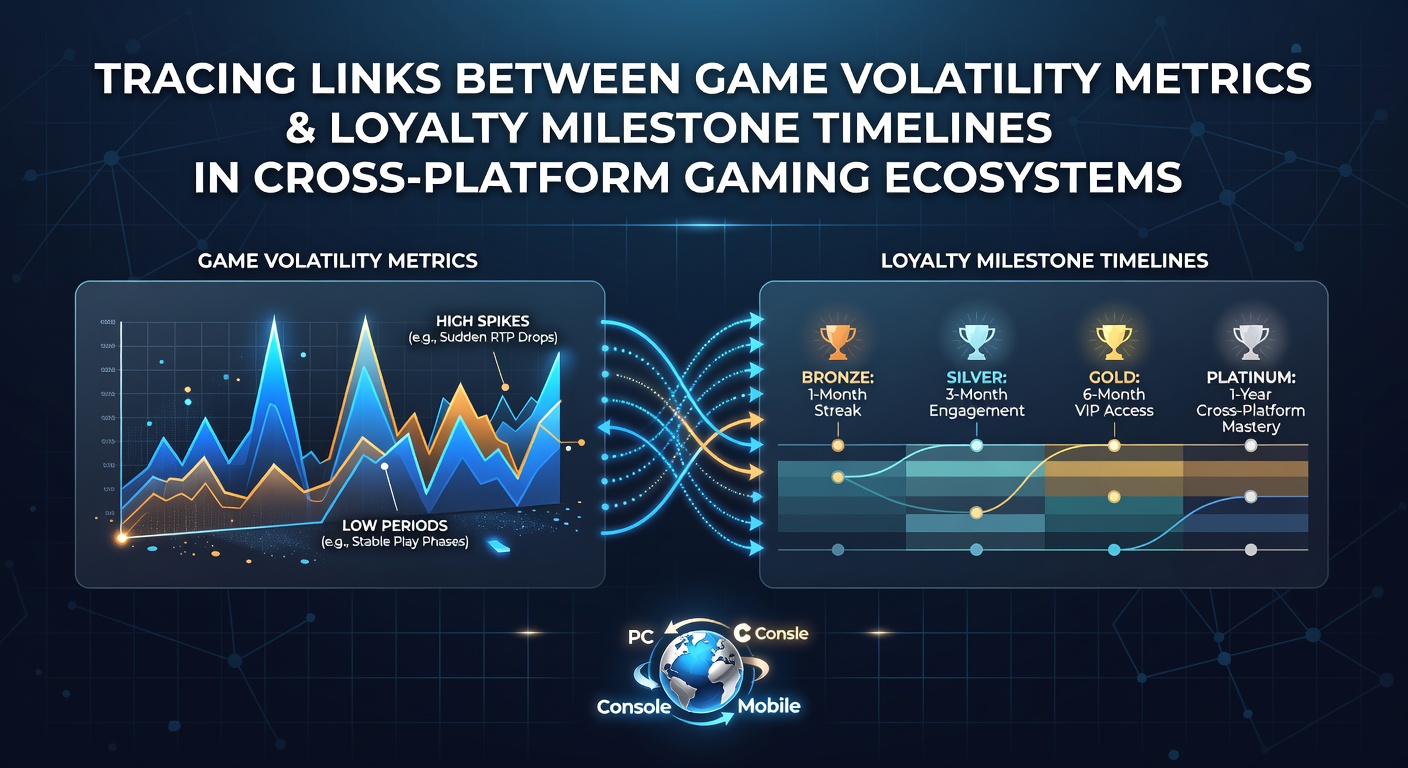
Tracing Links Between Game Volatility Metrics and Loyalty Milestone Timelines in Cross-Platform Gaming Ecosystems
Cross-platform gaming ecosystems connect mobile, desktop, and console environments where volatility metrics shape how quickly players advance through loyalty programs, and data from industry reports continue to map these patterns across different regions.
Volatility measures the frequency and size of payouts in games such as slots and table variants, with high-volatility titles producing larger but less frequent wins while low-volatility options deliver steadier smaller returns that accumulate over time.
Volatility Metrics in Practice
Operators track metrics like variance coefficients and hit frequencies to predict session lengths, and studies from the Australian Gambling Research Centre indicate that players on high-volatility games often require extended play periods before reaching the same loyalty thresholds compared with those on medium-volatility selections.
These calculations integrate real-time data streams from multiple devices, allowing platforms to adjust bonus structures accordingly while maintaining compliance with regional standards set by bodies such as the Nevada Gaming Control Board.
Loyalty Milestone Timelines Across Devices
Loyalty programs define milestones through cumulative wagers, time spent, or achievement streaks, and cross-platform tracking reveals that mobile sessions frequently accelerate early-tier progress due to shorter but repeated logins whereas desktop play tends to support longer continuous sessions that push higher milestones faster.
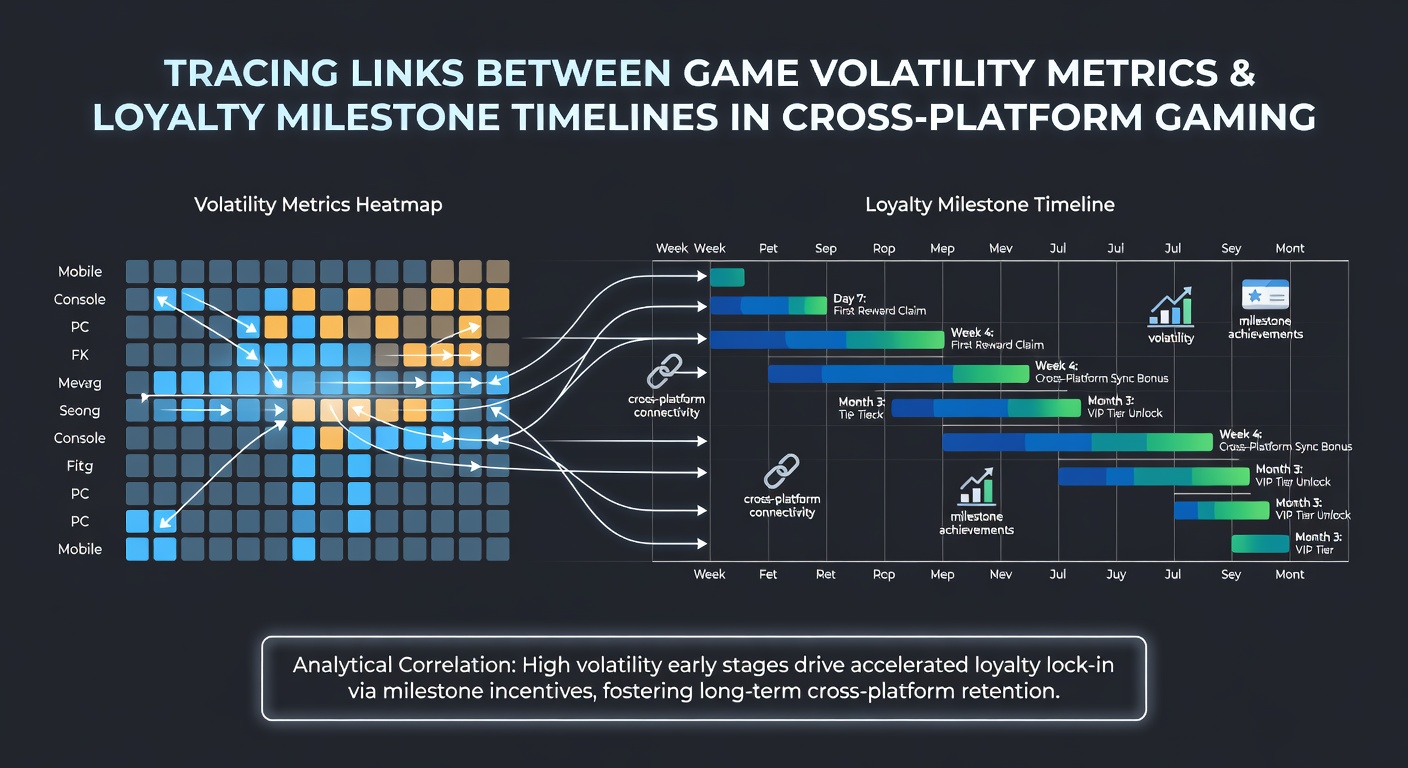
Research compiled by the International Centre for Gaming Studies shows correlations where volatility directly influences the average days needed to unlock VIP status, with figures from 2025 demonstrating that high-volatility preferences extended timelines by an average of 18 percent in tracked cohorts.
Cross-Platform Data Patterns Emerging in 2026
By May 2026 platform operators reported expanded integration of volatility filters into loyalty dashboards, enabling users to view projected milestone dates based on selected game types and device preferences, and these tools draw from aggregated anonymized datasets that span North American, European, and Asia-Pacific markets.
Patterns indicate that players switching between platforms mid-session often experience compressed timelines when alternating between high-volatility mobile spins and low-volatility desktop table games, because the combined variance smooths overall progression rates.
Regional Regulatory Influences on Tracking
Regulatory frameworks in multiple jurisdictions require transparent reporting of how game parameters affect player progression, and data shared through the Canadian Partnership for Responsible Gambling highlights that volatility transparency features reduced average time to first loyalty reward by measurable margins in participating provinces during early 2026 trials.
Operators adjust algorithms to balance engagement across ecosystems while adhering to these disclosure rules, creating feedback loops where milestone timelines become more predictable for users who monitor volatility indicators before committing to extended play.
Future Tracking Developments
Continued refinement of cross-platform APIs allows deeper linkage between volatility scores and loyalty engines, and academic analyses from the University of Nevada Gaming Research Center project further convergence by late 2026 as standardized metrics gain adoption among major providers.
These developments rely on anonymized session data that respects privacy protocols across borders, yielding clearer pictures of how volatility choices influence the pace at which players achieve status upgrades regardless of device.
Conclusion
Links between volatility metrics and loyalty timelines continue to inform ecosystem design, with evidence from regulatory and research sources demonstrating consistent relationships across platforms that operators now incorporate into user-facing tools and compliance frameworks.