The Interconnected Web of Mobile Interface Designs and Their Impact on Live Game Selection Patterns
Rafael Hoffmann · Aug 25, 2026
The Interconnected Web of Mobile Interface Designs and Their Impact on Live Game Selection Patterns
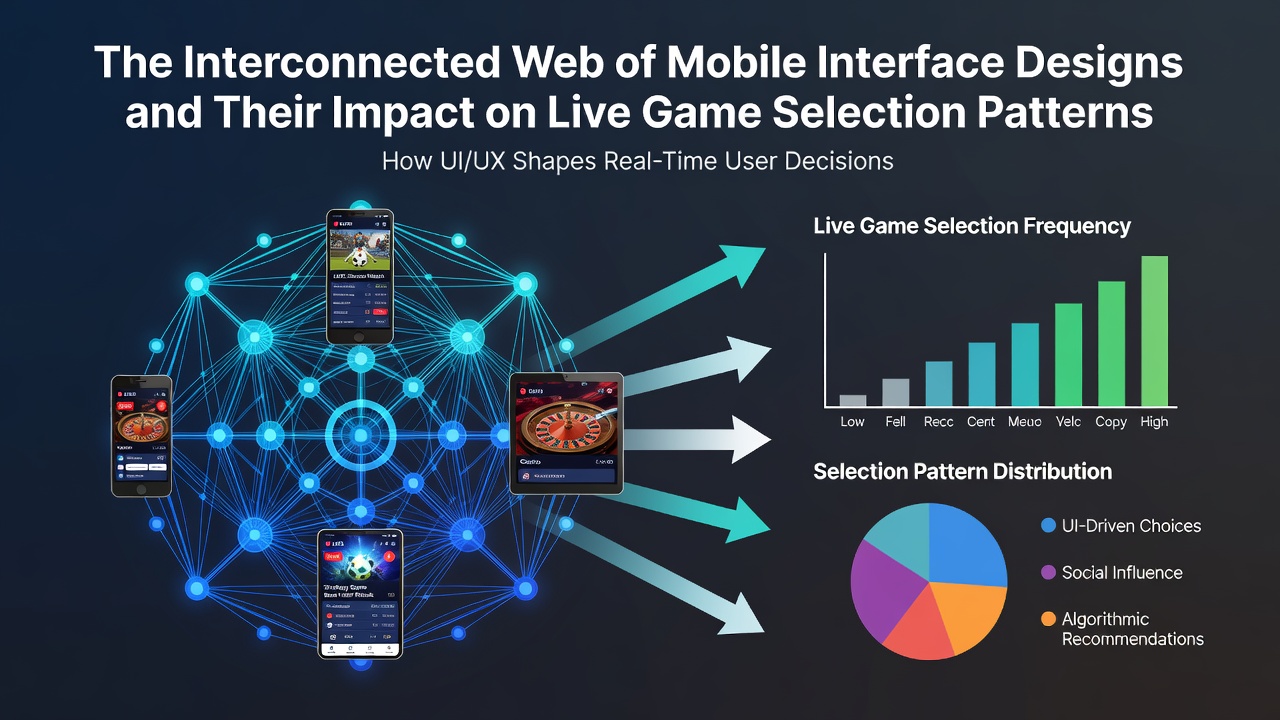
Design elements in mobile casino applications shape how users encounter and choose live dealer games, with navigation flows, thumbnail layouts, and filter systems guiding selections toward certain table formats over others. Observers note that swipe gestures and category groupings create direct pathways from initial screen views to specific live blackjack or roulette sessions, and these patterns have held steady through August 2026 across multiple platforms.
Menu Architectures Direct Initial Choices
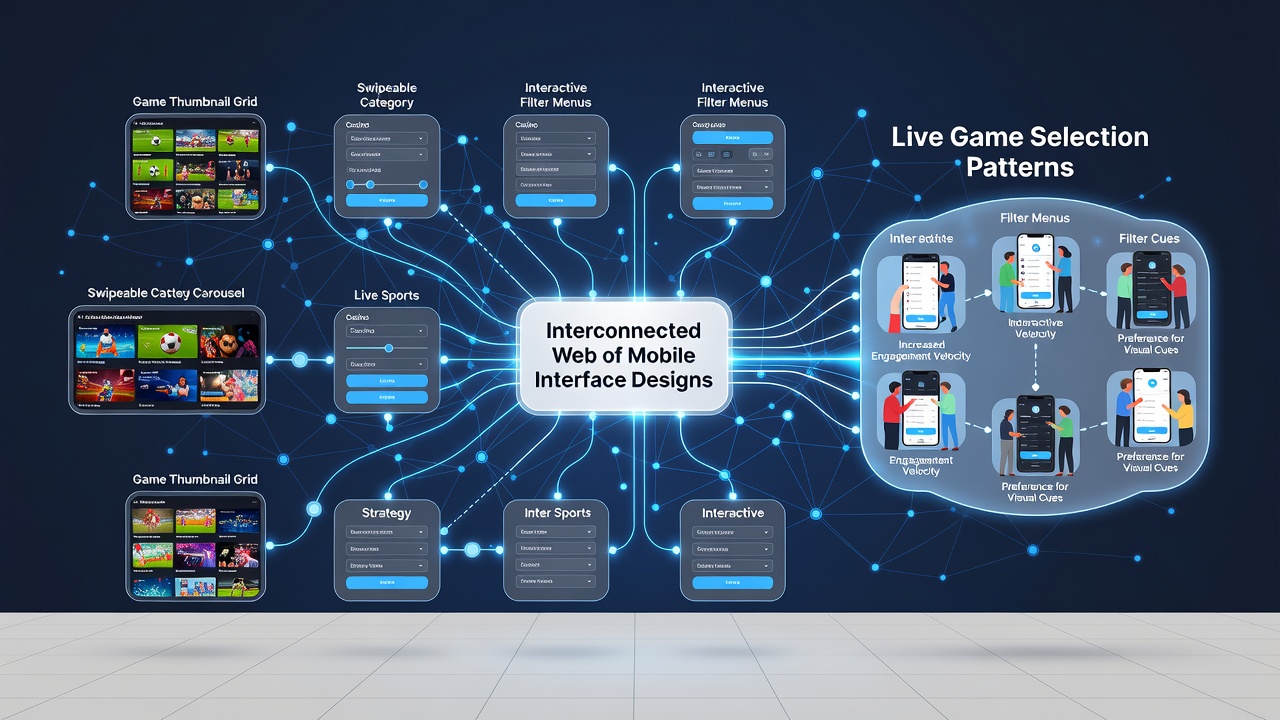
Top-level menus organize live game categories by popularity metrics or alphabetical order, and data from platform analytics show that games positioned in the first three rows receive higher selection rates than those further down. Researchers tracking user sessions found that horizontal scroll bars for live baccarat variants increase taps on those titles by measurable margins compared to vertical lists, while vertical stacks favor roulette options when they sit above blackjack entries. Those who analyzed heat maps across several operators observed that color-coded buttons for game types correlate with faster decisions, particularly when green accents highlight live tables with open seats.
Thumbnail Designs and Visual Prompts Influence Outcomes
Live game thumbnails display dealer faces, table limits, and real-time occupancy numbers, and studies of interaction logs reveal that images showing multiple players draw more clicks than solo dealer shots. Experts tracking August 2026 trends identified that animated previews of card shuffles lead users toward blackjack tables at higher volumes than static images, whereas roulette thumbnails featuring spinning wheels prompt selections when placed beside static variants. Filter tools allowing sorts by minimum bet or language spoken further refine these choices, with users applying bet-range sliders often landing on mid-stake live games rather than high-limit ones.
Search Functions and Recommendation Engines Shape Broader Patterns
Built-in search bars permit direct entry of game names or dealer identifiers, yet logs indicate most selections occur through suggested carousels that refresh based on prior plays. One analysis of cross-platform data linked recommendation algorithms that prioritize recently viewed tables to repeated selections of the same live dealer formats, while broader suggestions introducing poker variants expanded choice diversity. Platform operators adjust these engines using engagement metrics gathered during peak hours, and the resulting loops reinforce certain game clusters across user cohorts.
Gesture Controls and Load Times Affect Retention in Selection Flows
Pinch-to-zoom features on table views allow quick inspection of betting areas before commitment, and session recordings show these tools reduce bounce rates once users reach live game previews. Faster load times for dealer video streams correlate with completed selections, according to performance data compiled by industry monitoring groups. When interfaces delay video feeds beyond standard thresholds, users shift to alternative live titles that render quicker, creating measurable redistribution across game types during the same session.
Cross-Device Consistency and Regional Variations
Users switching between phones and tablets encounter synchronized interfaces that maintain the same category orders, and this consistency supports repeated selection of familiar live formats. Figures released by the European Gaming and Betting Association highlight differences in selection distributions between European and North American markets, with filter usage rates varying by regulatory requirements on display elements. Data gathered by the American Gaming Association further shows that interface updates rolled out in mid-2026 altered live game distributions in several jurisdictions without changing overall session lengths.
Conclusion
Interface components including menus, thumbnails, search tools, and gesture options interconnect to direct live game selections on mobile platforms, and ongoing data collection through 2026 continues to map these relationships across operators. Patterns emerge from the combined effects of visual hierarchy, algorithmic suggestions, and performance factors, producing measurable distributions in user choices that researchers continue to document through session analytics and regional comparisons.