Scorecards Guiding Device-Based Reward Flows in Interactive Entertainment Networks
Rafael Hoffmann · Jun 21, 2026
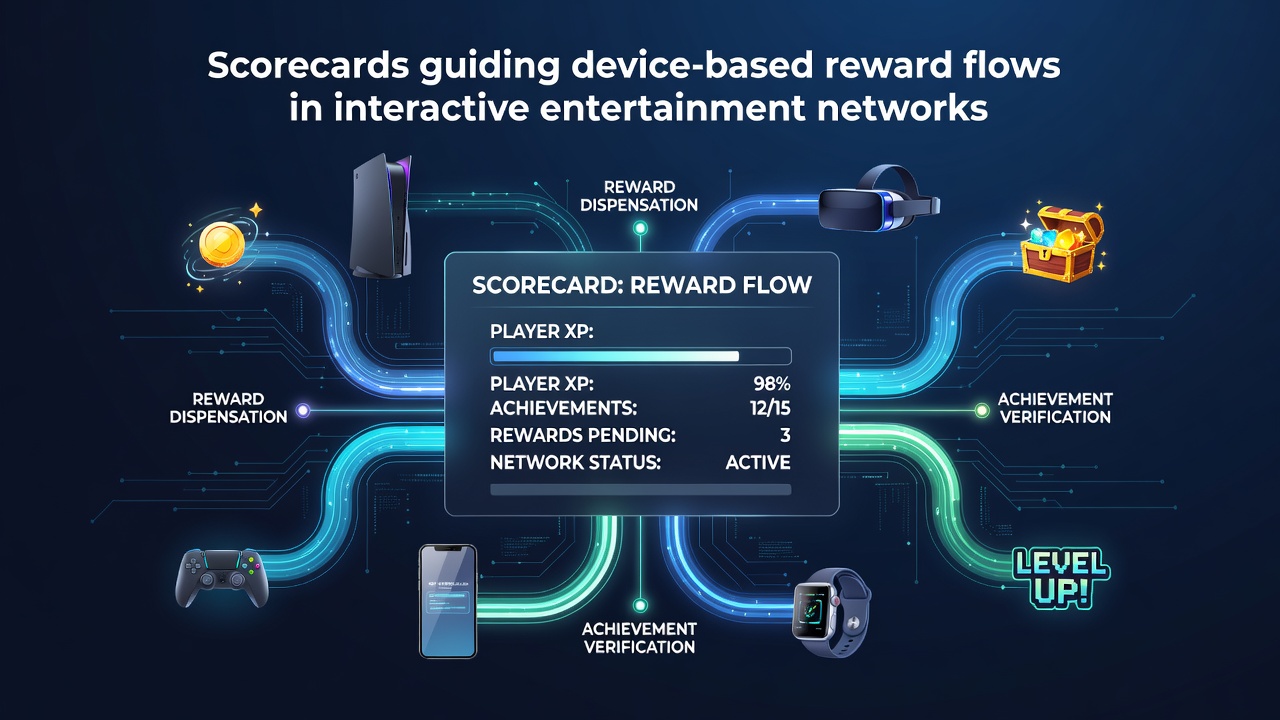
Scorecards Guiding Device-Based Reward Flows in Interactive Entertainment Networks
Scorecards function as structured evaluation tools that track user performance metrics within interactive entertainment networks, directing the distribution of rewards to specific devices based on accumulated data points. These systems operate across mobile platforms, console ecosystems, and cloud-based services where engagement levels determine access to virtual items, progression unlocks, and personalized content streams. Researchers at institutions like the University of Melbourne have documented how such frameworks integrate real-time analytics to allocate resources efficiently, ensuring that device-specific flows align with user activity patterns recorded during June 2026 sessions.
Device-based reward flows rely on scorecards that compile variables including session duration, completion rates, and interaction frequency, then translate those values into actionable incentives delivered directly to the originating hardware. This process occurs through application programming interfaces that communicate between central servers and individual devices, maintaining synchronization even when users switch between tablets, smartphones, and wearable gadgets. Data from the Australian Interactive Media Industry Association shows consistent adoption of these mechanisms in entertainment software developed for cross-platform environments, where scorecard algorithms adjust reward parameters according to hardware capabilities and network conditions.
Core Components of Scorecard Systems
Scorecards in these networks typically incorporate multiple layers of data collection, beginning with baseline metrics captured at the device level and extending to aggregated network insights that influence broader reward distribution. Sensors and software agents monitor touch inputs, gesture responses, and audiovisual engagement, feeding this information into centralized databases that calculate tiered outcomes. Observers note that integration with device operating systems allows for precise attribution of rewards, such as digital currency or exclusive skins, to the exact hardware unit involved in the recorded activity.
Algorithmic processing plays a central role, applying weighted formulas to scorecard entries before triggering reward releases. For instance, a high score in collaborative challenges within multiplayer environments can initiate bonus flows to linked devices, while lower performance metrics result in standard allocations. Studies conducted by the European Interactive Software Federation reveal that these calculations often incorporate machine learning models trained on historical user data, refining accuracy over successive updates released throughout 2026.
Implementation Across Entertainment Platforms
Implementation varies by platform type, with mobile networks emphasizing lightweight scorecard modules that minimize battery drain while maximizing data throughput during active sessions. Console-based systems, by contrast, leverage more robust processing power to handle complex multi-user scorecards that aggregate inputs from several devices simultaneously. In cloud entertainment services, scorecards operate through virtual instances that maintain continuity across device handoffs, allowing rewards earned on one screen to appear seamlessly on another without manual intervention.
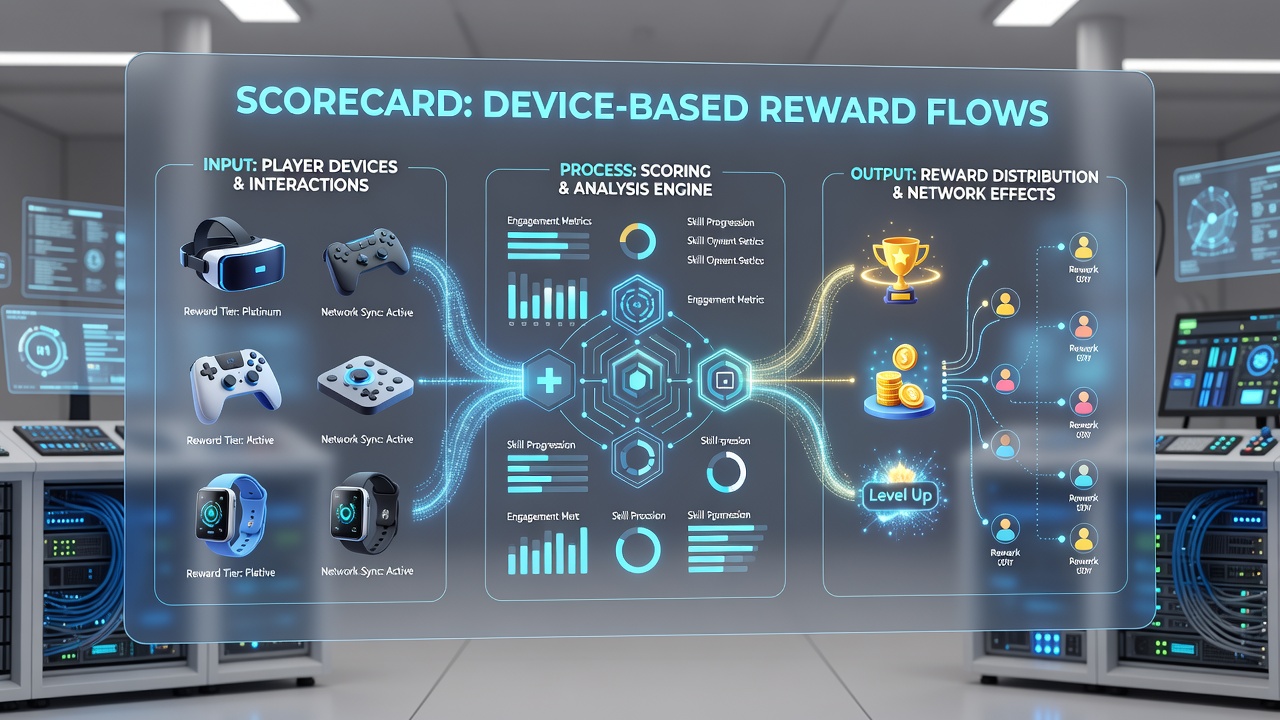
Case examples include fitness-oriented entertainment applications where physical movement tracked via device accelerometers contributes to scorecard totals, unlocking equipment upgrades or virtual environments. Similar patterns appear in narrative-driven games, where decision-making speed and exploration thoroughness feed into reward calculations distributed back to the user's primary device. Industry reports from Canada's Entertainment Software Association indicate steady growth in these applications, particularly in networks supporting augmented reality features that blend physical and digital interactions.
Data Integration and Network Dynamics
Network dynamics depend on secure data pipelines that transmit scorecard information without compromising user privacy standards established by regional regulations. Encryption protocols protect individual entries during transit, while anonymized aggregates support system-wide optimizations. What's interesting here is how these pipelines enable predictive adjustments, anticipating reward needs based on emerging scorecard trends detected across the network.
Interoperability between different entertainment providers further extends scorecard utility, allowing users to carry accumulated scores from one service to compatible platforms through standardized exchange formats. This connectivity supports device-agnostic flows, where rewards adapt to the specifications of whichever hardware receives them. Figures from the Japan External Trade Organization highlight increasing cross-border collaborations that standardize these exchanges in Asian entertainment markets during mid-2026.
Conclusion
Scorecards continue to shape device-based reward flows by providing measurable frameworks that connect user actions to tangible outcomes across interactive entertainment networks. Their evolution reflects ongoing refinements in data handling and algorithmic precision, supporting diverse applications from casual mobile experiences to immersive multi-device sessions. As networks expand, these tools maintain their role in directing resources efficiently while adapting to new hardware and interaction modalities.