Ripple Effects of Authentication Protocols on Session Dynamics Within Portable Gaming Frameworks
Mia Lange · Jul 10, 2026
Ripple Effects of Authentication Protocols on Session Dynamics Within Portable Gaming Frameworks
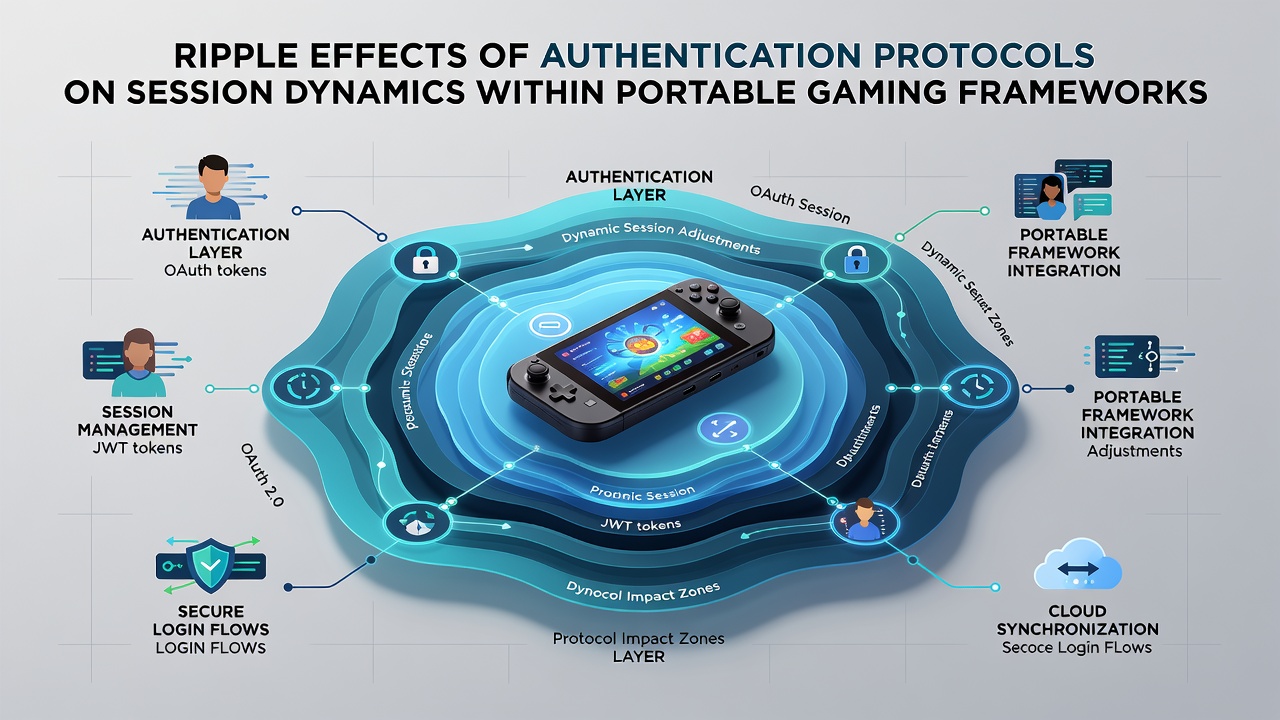
Portable gaming frameworks rely on authentication protocols to verify user identity before granting access to game environments, and these mechanisms directly shape how sessions begin, persist, and conclude across mobile and handheld platforms. Protocols such as OAuth 2.0, biometric verification, and token-based systems interact with session management layers to determine timeout intervals, reconnection behaviors, and data synchronization points. Data from industry reports show that variations in these protocols lead to measurable differences in session length and stability, particularly when devices switch between networks or enter low-power states. Developers implement these protocols to balance security requirements with seamless gameplay, yet the choices affect everything from initial login latency to background session renewal. In July 2026 several frameworks updated their token expiration policies in response to new device operating system guidelines, resulting in shorter default sessions for certain authentication methods. Observers note that these adjustments altered how portable titles maintained player progress across interrupted connections.Core Components of Authentication in Mobile Frameworks
Authentication protocols establish identity through layered checks that include device fingerprinting, multi-factor tokens, and encrypted handshakes before any game state loads. Session dynamics then depend on the lifespan of these tokens and the frequency of re-verification calls to backend servers. Research indicates that frameworks using short-lived access tokens experience more frequent re-authentication events, which interrupt ongoing sessions when network conditions fluctuate. Longer token validity periods allow sessions to continue with minimal server contact, yet they increase exposure windows if a device is compromised. Portable gaming environments often integrate these protocols with platform-specific APIs from operating systems, creating dependencies that vary by hardware manufacturer and software version.Session Initiation and Persistence Patterns
When a user launches a portable game, the authentication sequence determines the time required to reach playable state, and this duration influences whether players remain engaged or abandon attempts. Studies from academic institutions reveal that biometric methods reduce initiation time compared with password-plus-token combinations in controlled tests. Once established, the session must handle state preservation during pauses, backgrounding, or connectivity loss. Token refresh mechanisms play a central role here because they decide whether an active session survives a temporary network drop without forcing full re-login. Frameworks that employ refresh tokens in conjunction with short access tokens maintain continuity more effectively than those relying solely on static credentials.