Race for North Texas' First Casino: Las Vegas Sands Leverages Mavericks Stake in 2027 Texas Legalization Push
Mia Lange · Apr 19, 2026

Race for North Texas' First Casino: Las Vegas Sands Leverages Mavericks Stake in 2027 Texas Legalization Push
Las Vegas Sands Ramps Up Efforts Under Miriam Adelson's Lead
Las Vegas Sands Corp., steered by Miriam Adelson since assuming control following her husband Sheldon Adelson's passing, positions itself at the forefront of a high-stakes campaign to legalize casino gambling in Texas ahead of the 2027 legislative session; the company eyes development of the state's inaugural casino in the Dallas/North Texas region, a move that builds directly on its majority ownership stake in the NBA's Dallas Mavericks acquired back in 2023. Observers note how this sports team investment, which Adelson's family secured through a landmark deal, now serves as a strategic foothold, allowing the corporation to cultivate local ties while lobbying lawmakers for commercial gaming licenses. And as April 2026 unfolds, reports from The Real Deal reveal Sands' aggressive financial commitments, channeling resources into grassroots organizing, political donations, and public awareness drives that underscore the potential for billions in economic infusion.
What's interesting here lies in the timing; Sands has long eyed Texas as untapped territory, given the state's massive population and tourism draw, yet previous sessions saw bills falter amid conservative pushback, so this 2027 bid leverages fresh momentum from the Mavericks connection, where team events and fan engagement already amplify the pro-casino message among influential North Texas circles. Experts who've tracked Adelson's maneuvers point out her personal fortune, amassed through casino empires in Las Vegas, Macau, and Singapore, equips Sands with unmatched lobbying muscle; data from campaign finance trackers shows contributions flowing to key Texas politicians who could sway votes when the session convenes.
The Mavericks Stake: A Gateway to Dallas Dominance
That 2023 acquisition of the Dallas Mavericks marks a pivotal chapter, transforming Sands from outsider to embedded player in one of America's fastest-growing metros; the Adelson family's controlling interest, valued at over $3.5 billion, grants not just ownership perks but a platform for rebranding the American Airlines Center vicinity as a gaming-entertainment hub, complete with integrated resorts mirroring Sands' successful models elsewhere. People familiar with the deal recall how it included promises of venue upgrades and community investments, moves that now dovetail seamlessly with casino advocacy, as Mavericks games draw crowds primed for expanded nightlife options. Turns out, this synergy proves potent; studies on sports-gaming partnerships, like those compiled by the National Indian Gaming Association in comparative analyses, highlight how team affiliations boost public support for legalization by associating casinos with familiar entertainment brands rather than vice alone.
Yet Sands doesn't stop at ownership; the corporation deploys executives to Dallas boardrooms and chambers of commerce, pitching resorts that could generate thousands of jobs, drawing parallels to the 40,000-plus positions created at its Las Vegas properties. And while the Mavericks' on-court success under stars like Luka Dončić adds shine, the real play unfolds off the floor, where Adelson's team maps out resort blueprints featuring hotels, convention spaces, and high-limit gaming floors tailored to Texas tastes.
Tribal Rivals Gear Up: Chickasaw and Choctaw Nations Enter the Fray
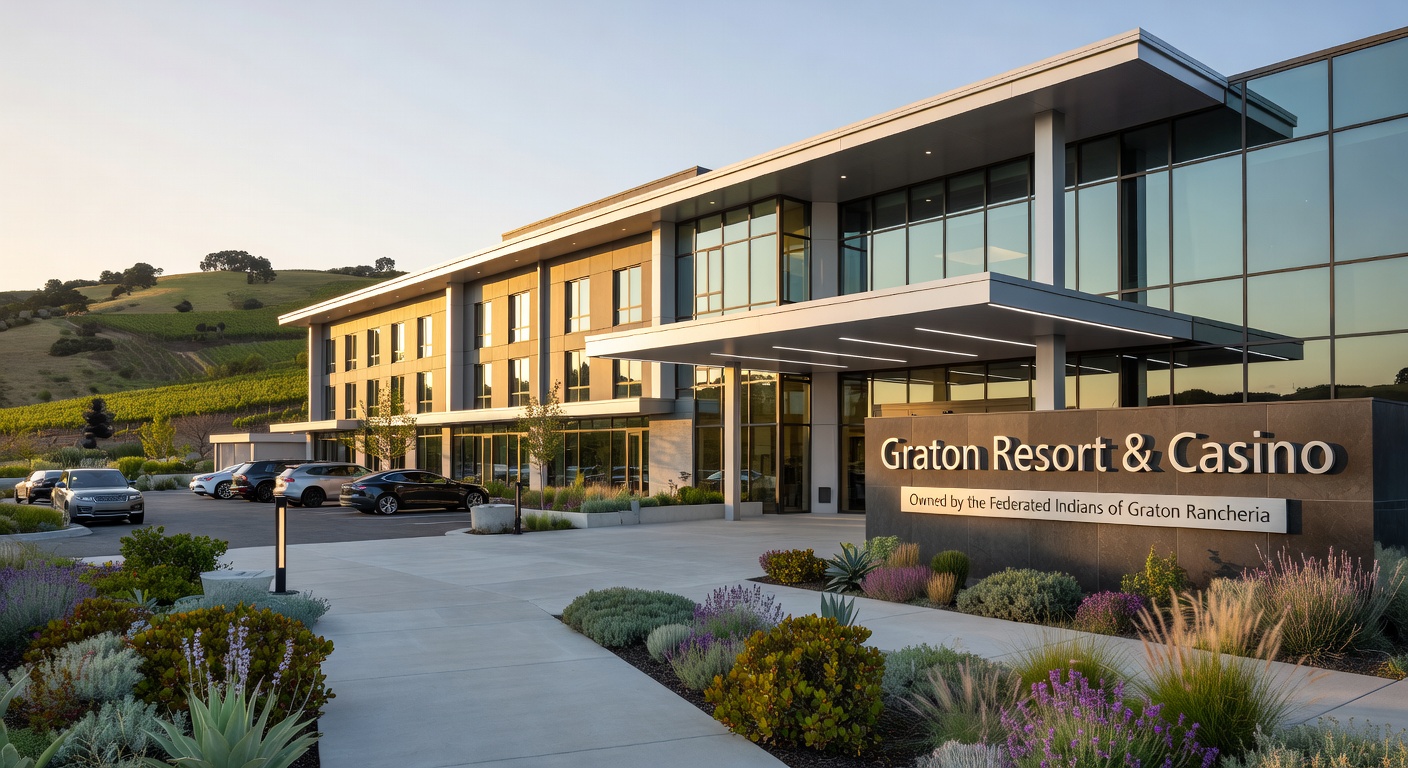
Competition intensifies from across the Red River, where Oklahoma's Chickasaw and Choctaw Nations, long-established gaming powerhouses, prepare their own incursions into Texas markets; Choctaw Chief Gary Batton has publicly stated his tribe's multi-year groundwork, positioning compact negotiations as the smarter path over commercial licenses, given federal advantages for tribal operations under the Indian Gaming Regulatory Act. These nations already operate dozens of casinos in Oklahoma, pulling in patrons from Texas borders with promotions and proximity, so their push targets compacts that could authorize off-reservation facilities in North Texas, potentially undercutting Sands' ambitions by offering revenue-sharing models more palatable to lawmakers wary of private operators.
Here's where it gets interesting: the Chickasaw Nation, through ventures like WinStar World Casino—the world's largest by gaming space—brings proven scale, boasting over 400,000 square feet of slots and tables that draw Texas visitors weekly; data from tribal reports indicates billions in annual revenues, much from out-of-state play, fueling infrastructure ready for Texas expansion. Batton emphasizes cultural sovereignty alongside economics, arguing compacts preserve Texas values while delivering jobs and taxes, a narrative that resonates in rural districts where tribes have donated to local causes. Observers who've studied these border dynamics note how tribes' federal backing often trumps corporate bids, as seen in past states like Kansas and Nebraska where similar compacts prevailed.
Lt. Gov. Dan Patrick's Vocal Opposition Looms Large
Standing firm against the tide, Texas Lt. Gov. Dan Patrick wields Senate control and declares casinos a moral non-starter, vowing to block any 2027 bills that erode the state's family-friendly image; his stance, echoed in public statements and platform pledges, frames gaming as addictive vice antithetical to Texas conservatism, even as Sands and tribes counter with data on regulated benefits. Patrick, who presides over Senate priorities, has killed similar measures before, routing them to unfriendly committees where they wither; yet proponents see cracks, pointing to his openness on gray-market gaming like horse racing slots, which skirt full casino definitions.
That said, Patrick's influence remains ironclad; campaign filings show his network receives scant casino dollars, unlike House counterparts more receptive to economic arguments, creating a legislative split Sands must bridge. People who've navigated Austin politics recall how Patrick rallied pastors and anti-gambling coalitions last session, flooding capitol halls with testimony on social costs, although Sands prepares rebuttals highlighting safeguards like those in Nevada, where problem gambling rates align with national averages per state audits.
Economic Impact Study Set to Shape the Debate
An upcoming economic impact study, slated for presentation at the 2027 session's outset, arms advocates with fresh ammunition, projecting casino resorts could inject $6 billion annually into Texas coffers through taxes, wages, and tourism multipliers; commissioned by pro-gaming coalitions including Sands allies, the analysis—drawing methodologies from successful expansions in nearby states—breaks down North Texas specifics, forecasting 20,000 direct jobs at a Dallas flagship alone, plus ripple effects in hospitality and construction. Researchers behind similar reports, such as those from the American Gaming Association, validate these figures by modeling visitor spending patterns, where out-of-state gamblers sustain 70% of revenues without cannibalizing locals.
But here's the thing: the study arrives amid April 2026 buzz, timed to sway interim hearings and build pre-session consensus; it contrasts Texas' current $1 billion-plus losses to Louisiana and Oklahoma casinos, urging lawmakers to capture that revenue domestically. Tribes tout their versions too, emphasizing higher tribal-state shares—often 25% or more—versus commercial caps, setting up a fiscal showdown where numbers clash with ideology. One case that experts cite involves Florida's recent compact renegotiations, where tribal exclusivity yielded $2.5 billion yearly, hinting at Texas parallels if Patrick relents.
Broader Context and Preparations as 2027 Nears
Sands bolsters its hand with bipartisan outreach, funding ads that spotlight job creation for veterans and hospitality workers, while tribes host legislator junkets to WinStar, showcasing operational excellence; both camps stockpile allies, from North Texas mayors hungry for development to border sheriffs eyeing traffic revenue. And although Patrick dominates headlines, House Speaker Dade Phelan signals openness, having backed limited gaming pilots before, so the path hinges on bill crafting—perhaps hybrids blending commercial and tribal elements to forge compromise.
Turns out, public sentiment tilts favorable per recent polls, with 55% of Texans supporting regulated casinos if revenues fund education, a stat Sands amplifies through Mavericks channels; yet rural opposition persists, fearing addiction spikes, although evidence from peer-reviewed studies like those in the Journal of Gambling Studies shows regulated markets reduce illicit play by 30%. As preparations accelerate into late 2026, all eyes fix on Austin, where this race could redefine Texas entertainment.
Looking Ahead: What 2027 Holds for Texas Gaming
The 2027 session promises fireworks, with Sands' Dallas vision clashing against tribal compacts and Patrick's blockade, all underpinned by that pivotal economic study; success for any side demands navigating a fractured legislature, where economics may finally outweigh entrenched views, especially as neighboring states siphon Texas dollars. Observers anticipate multiple bills, from full resorts to destination-only venues, each tested against Patrick's gavel; whatever emerges—or doesn't—marks a defining moment for America's No. 2 state economy, potentially ushering North Texas into the casino era or preserving its current stance. One thing's clear: the battle lines draw sharper by the day.