Payment Pathways That Dictate Access to High-Stakes Dealer Tables in Handheld Platforms
Taylor Friedrich · Aug 25, 2026
Payment Pathways That Dictate Access to High-Stakes Dealer Tables in Handheld Platforms
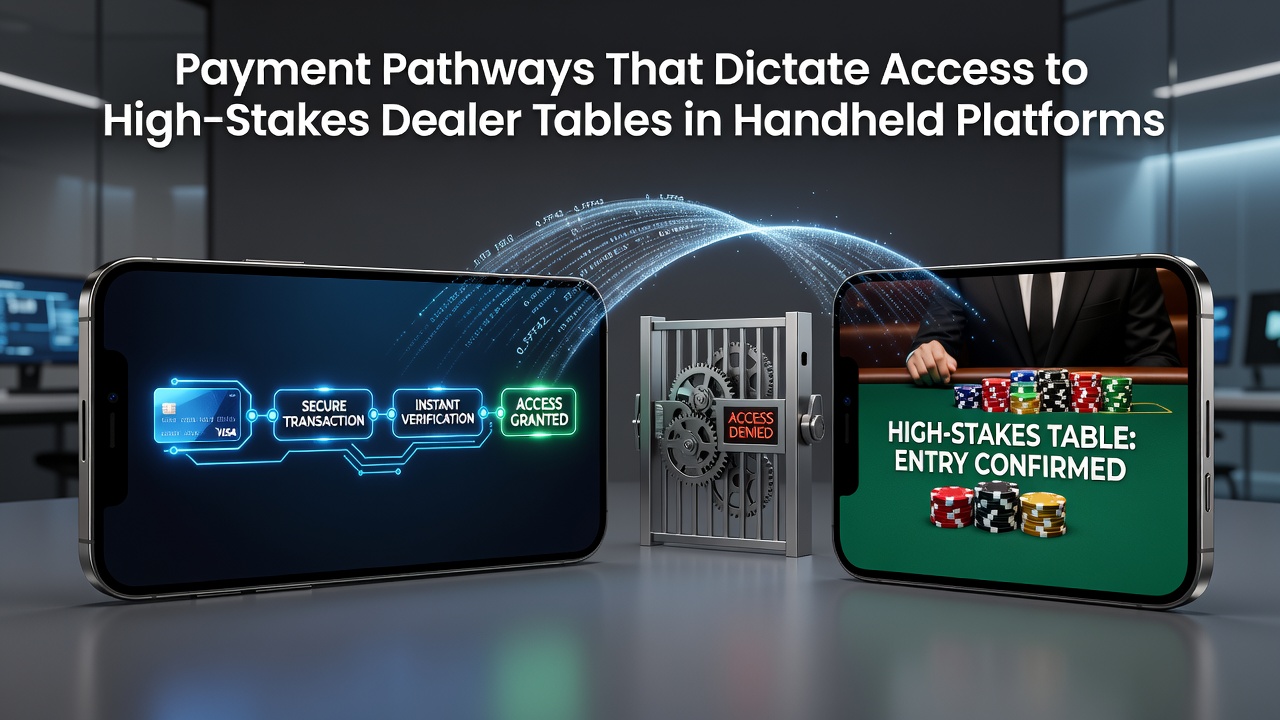
Payment pathways in handheld platforms determine which users gain entry to high-stakes dealer tables through specific transaction requirements and verification layers that platforms enforce before granting access. These systems link deposit methods directly to table eligibility, with operators setting minimum transaction thresholds that filter participants based on the speed, security, and volume of funds moved. In August 2026 data from multiple jurisdictions showed that mobile applications route users through tiered payment sequences where certain e-wallet options unlock elevated stakes faster than traditional bank transfers because they complete verification in under 30 seconds while carrying built-in fraud controls.
Transaction Structures and Table Eligibility
Operators design payment structures so that direct bank integrations or cryptocurrency routes carry higher limits once initial deposits clear compliance checks, whereas card-based methods often require additional identity steps that delay entry to premium tables. Researchers at industry monitoring groups track how these pathways create distinct user segments, with those completing larger initial transfers via approved digital wallets receiving immediate invitations to private dealer sessions that start at thresholds of 500 credits or more per hand. Data from regulatory filings indicate that platforms in regulated markets apply algorithmic scoring to payment histories, elevating accounts that demonstrate consistent high-volume activity without chargebacks to priority queues for exclusive dealer interactions.
Security Protocols Tied to Payment Routes
Security layers embedded in payment processing dictate access because handheld platforms require real-time authentication that aligns with the chosen funding source, and accounts using multi-factor verified e-wallets bypass manual reviews that card users encounter. Observers note that this setup stems from risk models where faster-settling methods reduce platform exposure, allowing quicker progression to high-stakes environments, while slower or higher-risk pathways trigger extended holds that keep users at lower-limit tables until additional documentation clears. Figures from the American Gaming Association reveal that mobile transaction volumes in high-stakes segments grew steadily through mid-2026 as operators refined these protocols to balance speed with regulatory compliance across different regions.
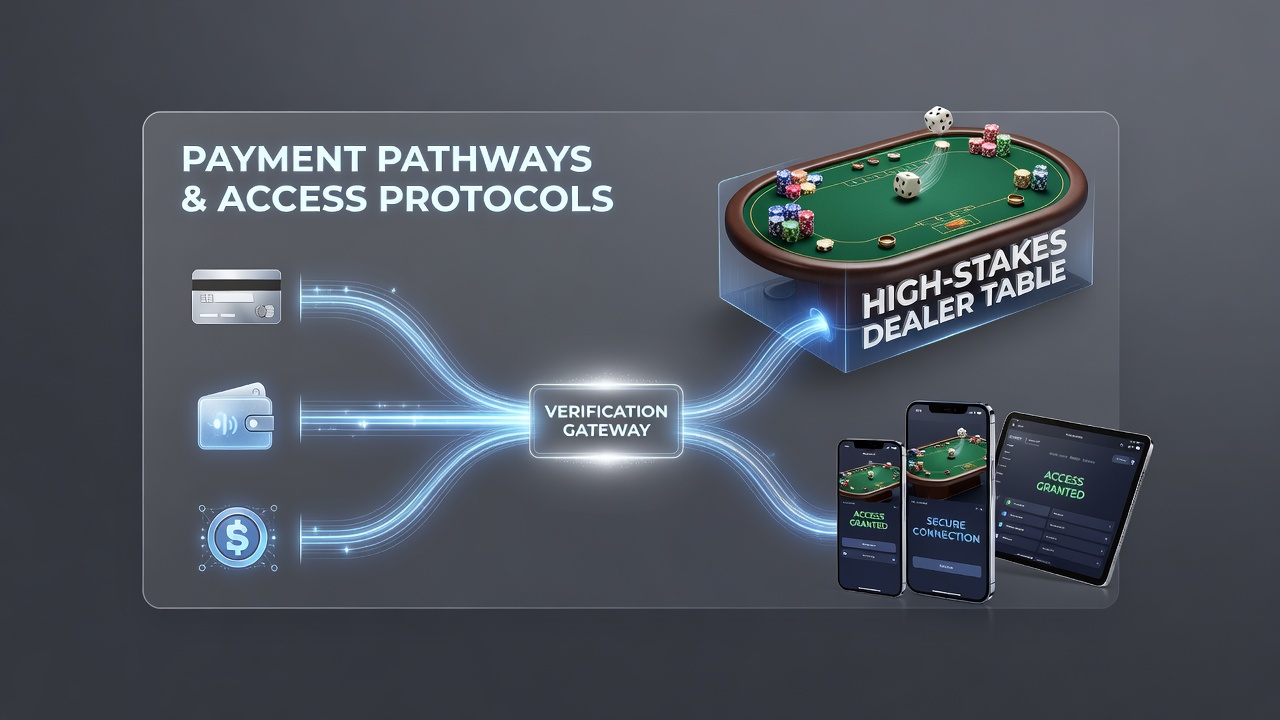
Platforms integrate these controls through partnerships with payment providers that supply transaction metadata directly into access algorithms, so a single successful high-value transfer via an approved channel can shift an account into the high-stakes pool without further manual intervention. Those who study these systems find that geographic variations matter, because European operators often tie eligibility to SEPA instant payments that settle within seconds, whereas North American platforms favor ACH or digital wallet routes that carry distinct fee structures and verification timelines affecting table availability.
Regional Payment Variations and Access Patterns
Market reports compiled by groups such as the Canadian Gaming Association highlight how payment preferences shape participation rates in mobile high-stakes environments, with users in provinces supporting instant bank transfers showing higher progression rates into premium dealer rooms compared to regions reliant on card processing alone. These patterns emerge because platforms calibrate their internal scoring to reward payment methods that provide clearer audit trails, granting priority access to tables where minimum buy-ins exceed standard levels once the funding source meets those criteria. In practice, a user completing a qualifying transfer through an integrated digital channel receives notification of elevated options within the same session, while alternative routes demand separate approval cycles that extend the timeline for entry.
Verification Timelines and Platform Algorithms
Algorithms running on handheld platforms evaluate payment pathways by combining deposit size, clearance speed, and provider reputation to assign access scores that determine dealer table availability. Experts tracking these metrics report that accounts using providers with established regulatory standing advance more rapidly because the platforms receive pre-verified data feeds that eliminate redundant checks. This process creates measurable differences in user progression, where payment history becomes the primary gatekeeper rather than gameplay volume alone, and operators adjust thresholds periodically based on aggregated transaction data to maintain balanced access across player segments.
Conclusion
Payment pathways continue to serve as the core mechanism controlling entry to high-stakes dealer tables on handheld platforms through interconnected requirements for transaction speed, security verification, and provider compliance. Data collected through 2026 demonstrates consistent links between specific funding routes and table eligibility, with platforms relying on these systems to enforce limits and manage risk across mobile environments. Regulatory bodies and industry organizations maintain ongoing oversight of these processes to ensure alignment with jurisdictional standards while supporting operational efficiency in digital wagering networks.