Patterns Linking Digital Payout Options to Engagement Shifts in Interactive Table Sessions on Portable Platforms
Rafael Hoffmann · May 24, 2026
Patterns Linking Digital Payout Options to Engagement Shifts in Interactive Table Sessions on Portable Platforms
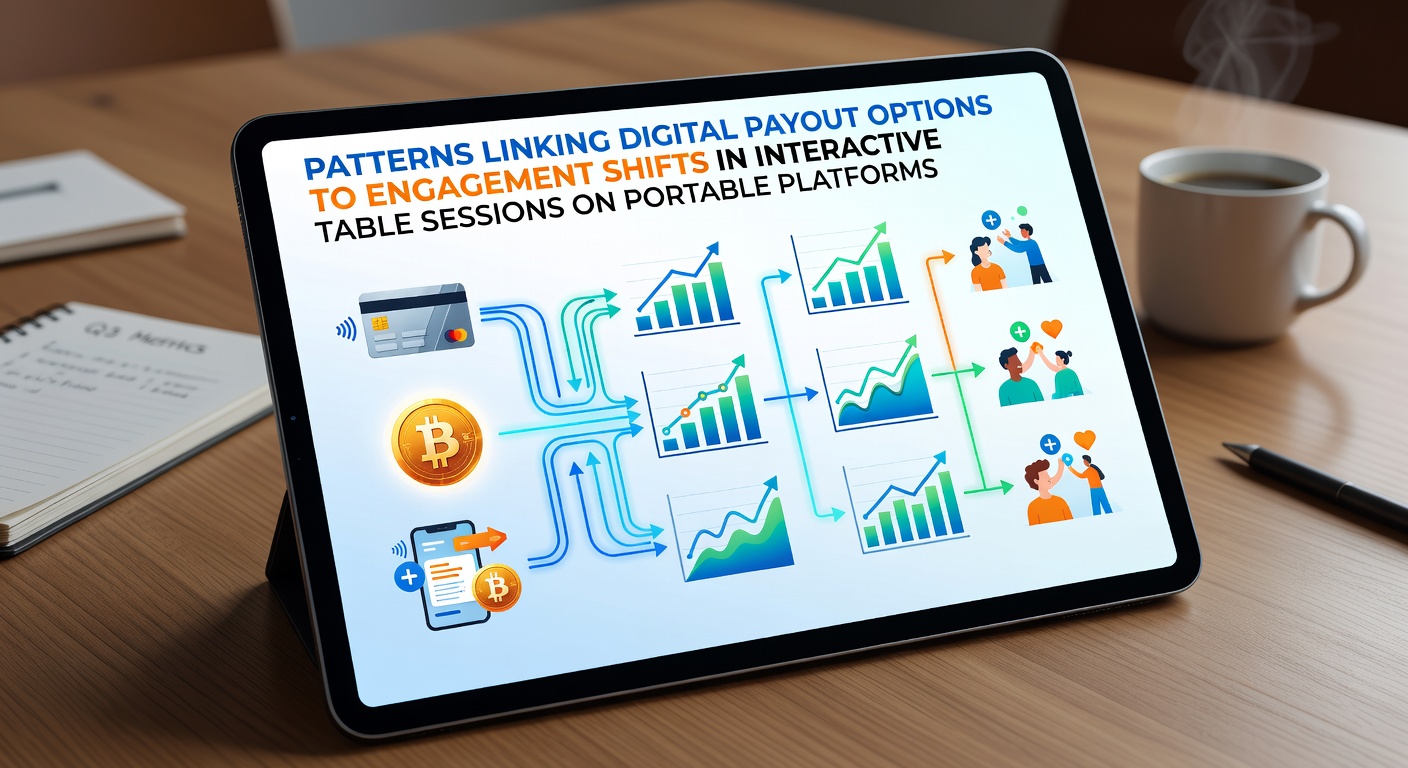
Interactive table sessions on portable platforms have expanded rapidly in recent years as developers refine live dealer interfaces for smartphones and tablets, and payment systems now play a central role in how long users remain active during each session. Digital payout options such as instant bank transfers, e-wallets, and cryptocurrency withdrawals create measurable differences in session frequency and duration because players adjust their behavior based on how quickly funds return to their accounts. Researchers tracking mobile wagering data through 2026 have identified consistent correlations between payout speed and the number of table game rounds completed per week, particularly in blackjack, roulette, and baccarat formats optimized for touch screens.
Core Mechanics of Portable Table Play
Portable platforms support real-time streaming of dealer actions combined with instant betting controls that reduce latency compared with earlier desktop versions, while session data collected across multiple operators shows that players on tablets tend to extend play when withdrawal processing times fall below five minutes. Payment rails integrated directly into game lobbies allow users to request payouts without exiting the table screen, and this seamless connection appears to increase repeat logins within the same day. Industry reports indicate that regions with widespread adoption of instant settlement methods recorded higher average session lengths in table games during the first quarter of 2026, whereas markets relying primarily on traditional bank wires showed more fragmented play patterns.
Payment Speed and Behavioral Adjustments
Fast payout systems encourage players to maintain smaller account balances because they know recovered funds become available quickly, and this cycle supports more frequent but shorter sessions across mobile networks. Slower options, by contrast, lead users to keep larger balances on the platform to avoid waiting periods, resulting in extended individual sessions but fewer total logins per month. Observers note that these shifts become especially visible during promotional periods when operators highlight expedited withdrawals, and engagement metrics collected in May 2026 reflected measurable upticks in table game participation on devices running iOS and Android versions released that spring.
Regional Data Trends Through Mid-2026
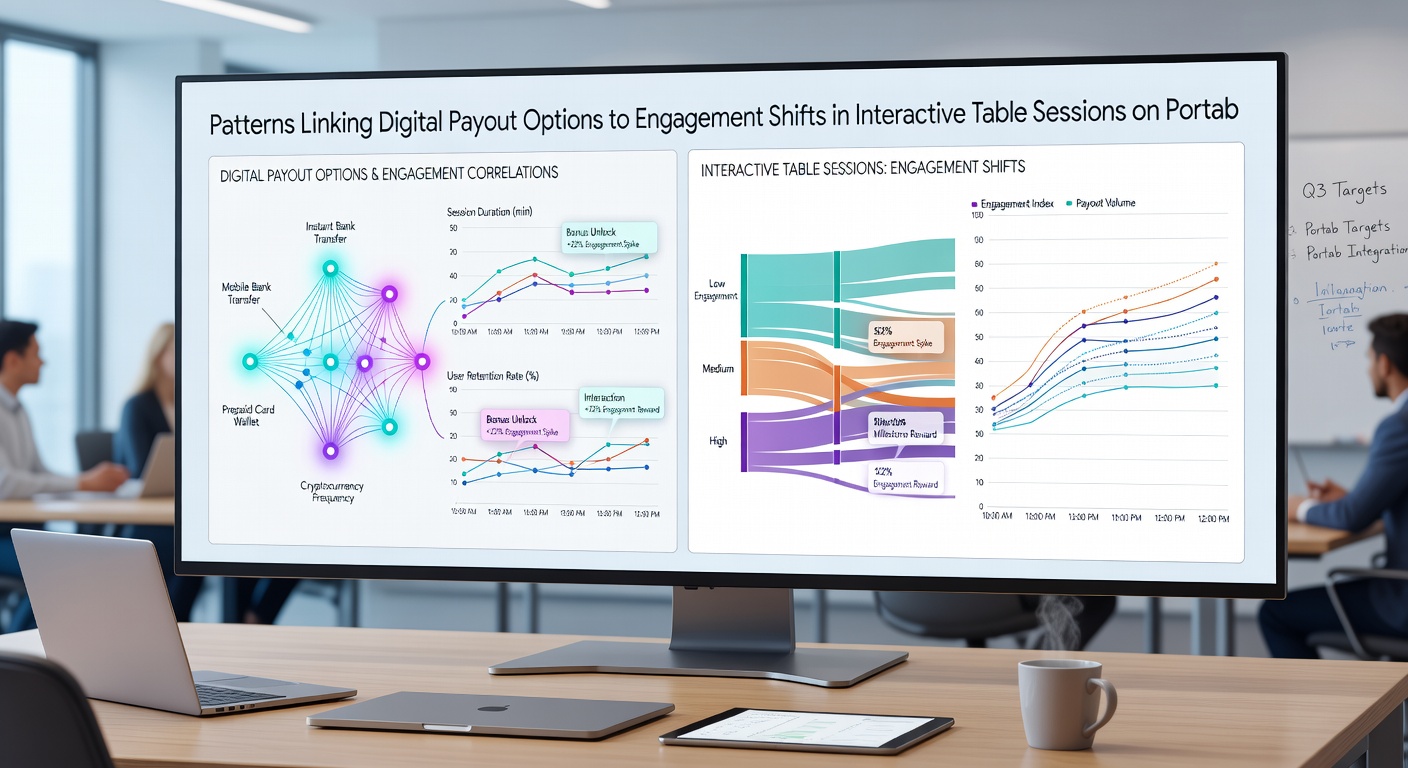
Platforms serving North American and European users have documented distinct engagement curves tied to payout method popularity, with e-wallet users completing roughly 30 percent more table rounds weekly than those selecting card-based withdrawals. Australian regulatory summaries released in spring 2026 similarly highlighted that players opting for instant bank transfers maintained steadier weekly activity levels, whereas cryptocurrency users exhibited higher variance in session timing but greater overall retention when networks processed transfers within the advertised window. These patterns emerge consistently across age groups, although younger cohorts demonstrate stronger responsiveness to sub-minute payout confirmations displayed within the game interface.
Interface Design and Transaction Friction
Developers reduce friction by embedding payout status indicators directly beside the betting area, allowing players to monitor withdrawal progress without navigating away from live tables, and this visibility correlates with fewer abandoned sessions according to aggregated operator logs. When confirmation screens load within two seconds, users often initiate follow-up deposits immediately, sustaining table activity across consecutive days. Studies compiled by the University of Nevada, Reno gaming research group have tracked how these micro-interactions influence overall time spent on portable devices, revealing that each reduction in payout wait time produces proportional gains in weekly engagement hours.
Security Protocols and Continued Participation
Security layers such as biometric verification and multi-factor authentication add minor delays yet do not offset the engagement benefits of rapid fund access when implemented efficiently, and operators that combine strong verification with instant settlement maintain higher return rates than those emphasizing speed alone. Data compiled through May 2026 shows that platforms offering both fast processing and transparent security steps experience fewer account dormancy events among table game participants. Those who studied transaction logs across multiple jurisdictions note that players migrate toward operators whose payout options align with their preferred device and banking preferences, creating clear segmentation in engagement profiles.
Conclusion
Digital payout options exert measurable influence on how users structure their interactive table sessions on portable platforms, with processing speed directly shaping login frequency, session length, and total rounds played. Patterns observed through mid-2026 demonstrate that faster settlement methods support more consistent weekly participation while slower alternatives concentrate activity into fewer but longer sessions. Operators continue to refine payment integration within game interfaces, and the resulting shifts in engagement metrics provide ongoing data points for platform optimization across global markets.