Mobile Interface Quirks Steering Incentive Sequences Across Portable Gaming Networks
Yara Zimmermann · Jul 7, 2026
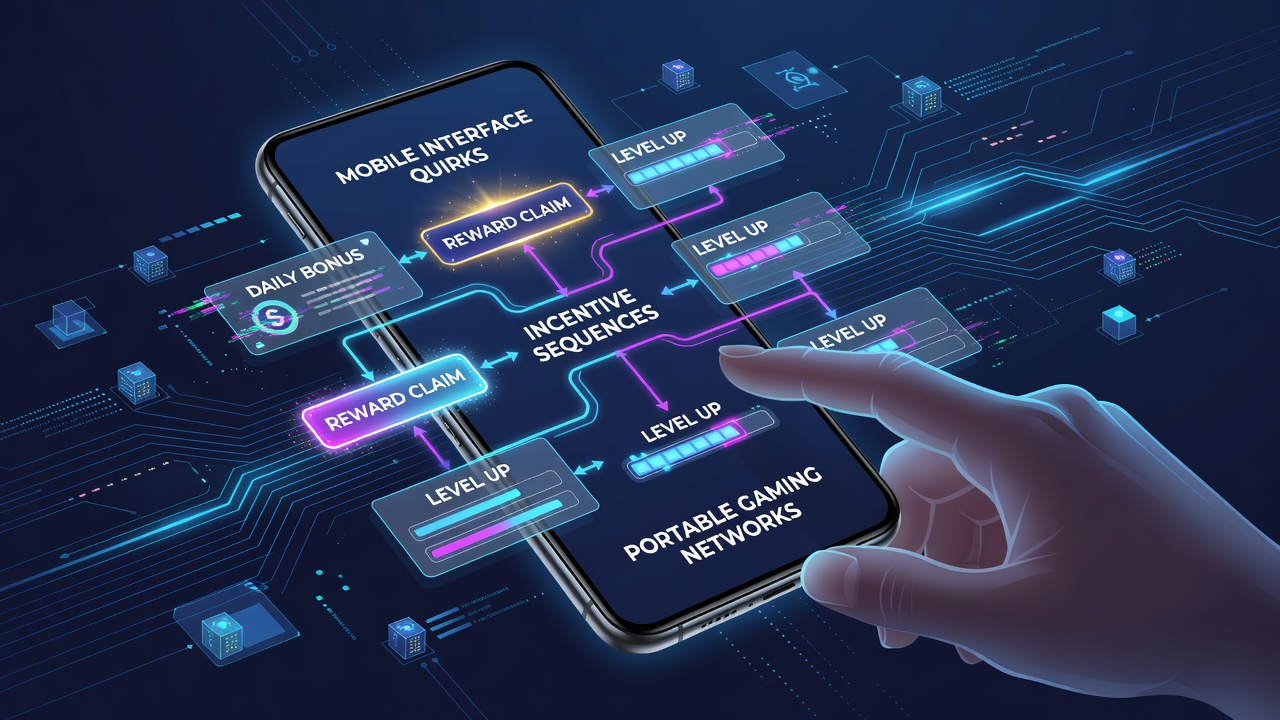
Mobile Interface Quirks Steering Incentive Sequences Across Portable Gaming Networks
Portable gaming networks rely on mobile interfaces that guide users through sequences of incentives such as daily rewards, progression bonuses, and achievement unlocks, and subtle design elements often determine how players encounter these features. Researchers have documented patterns where button placement, loading animations, and notification layouts influence the order in which incentives appear and get claimed across iOS and Android ecosystems.
Data from industry reports indicate that interface quirks like delayed scroll responses or overlapping menu elements can reroute users toward specific reward pathways rather than others. In July 2026, updates to several major gaming platforms highlighted these dynamics when developers adjusted touch target sizes to address accessibility standards, which in turn altered the timing of incentive deliveries within cross-platform sessions.
Core Interface Elements That Shape Reward Flows
Touch response variations represent one primary quirk, where inconsistent haptic feedback leads players to repeat actions and trigger additional incentive layers. Studies from university labs show that games using variable latency in reward animations see higher rates of sequential claim events compared to those with fixed timing. Network operators track these behaviors through telemetry that logs how many users complete incentive sequences after encountering a particular menu quirk.
Notification positioning creates another steering mechanism because pop-ups that appear near navigation bars often interrupt ongoing sessions and redirect attention to limited-time offers. Observers note that games with clustered alert systems experience shifts in incentive redemption patterns, particularly when alerts stack during peak usage hours. Portable networks integrate these alerts into broader user progression models, where each quirk contributes to the overall sequence of available rewards.
Cross-Platform Data Patterns in Incentive Delivery
Analytics from portable gaming ecosystems reveal that interface inconsistencies between devices produce measurable differences in how incentives sequence across user bases. For instance, tablets with larger screens display more simultaneous options than phones, which changes the order of reward selection and affects subsequent network engagement metrics. Figures released by the Entertainment Software Association demonstrate that such variations correlate with changes in daily active user retention across multiple titles.
Researchers have examined cases where swipe gestures required for accessing bonus menus create friction that delays incentive claims, and this delay sometimes activates fallback reward systems designed to maintain momentum. Those who analyze telemetry logs find that players encountering these quirks complete sequences at rates differing from users on optimized interfaces, and network providers adjust backend algorithms accordingly to balance distribution.
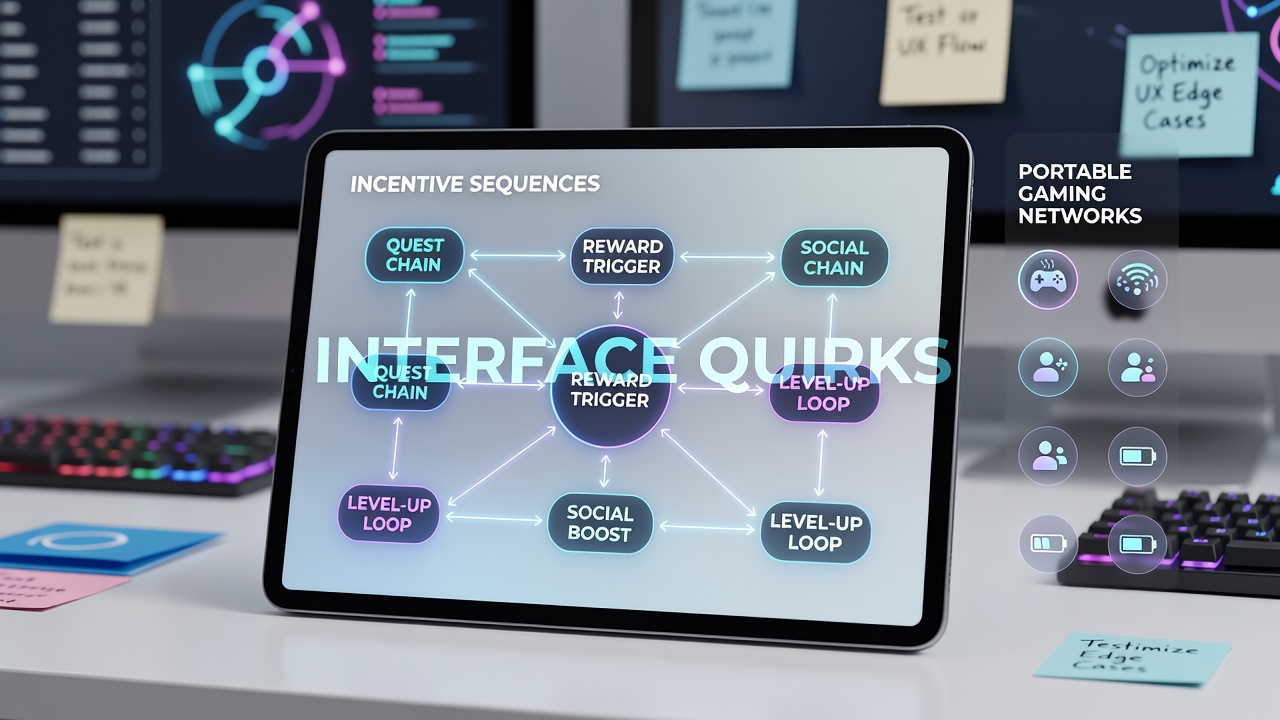
Regional differences emerge when comparing markets because regulatory frameworks in places such as Australia influence how interfaces present incentives to comply with local standards. Reports from the Australian Communications and Media Authority detail requirements around clear disclosure of reward conditions, which can modify the visual hierarchy of interface elements and steer sequences toward transparent options first.
Network-Level Responses to Interface-Driven Shifts
Portable gaming networks employ adaptive systems that monitor interface interactions in real time and recalibrate incentive availability based on detected quirks. When users repeatedly hit misaligned touch zones, the system may prioritize certain reward types to compensate, thereby altering the expected sequence across the broader player population. This adjustment process occurs through automated rules that process aggregated data without individual profiling.
Developers document examples where minor updates to progress bars or currency displays resulted in cascading effects on how incentives chain together, and these changes propagate through network servers to maintain consistency. Those who review update logs observe that such modifications often coincide with seasonal events in July 2026, when many platforms rolled out synchronized content across devices to stabilize sequences disrupted by prior interface variations.
Security protocols within these networks also interact with interface quirks because authentication prompts that appear at unexpected moments can interrupt reward flows and require players to restart sequences. Data indicates that streamlined verification flows reduce these interruptions while preserving the intended incentive order across portable sessions.
Conclusion
Interface quirks in mobile environments continue to direct incentive sequences throughout portable gaming networks by influencing touch interactions, notification timing, and menu navigation. Research findings and platform telemetry demonstrate consistent relationships between these design elements and reward delivery patterns, with adjustments occurring as networks evolve to accommodate device diversity. Observers tracking developments through 2026 note ongoing refinements that aim to align interface behavior with network-wide incentive structures, ensuring sequences remain functional across varied hardware and usage conditions.