Mapping the Interplay of Transaction Security and Retention Tactics in Portable Wagering Platforms
Ines Otto · May 17, 2026
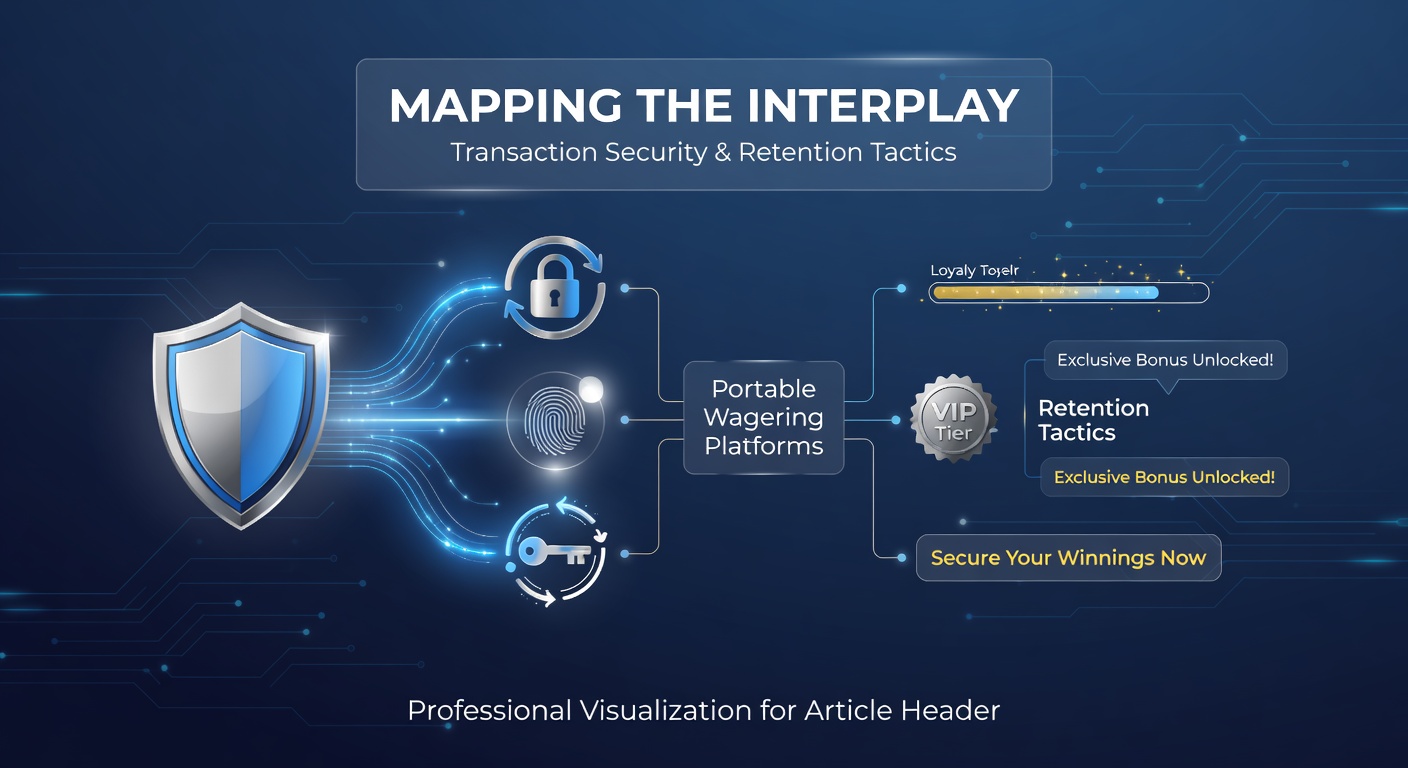
Mapping the Interplay of Transaction Security and Retention Tactics in Portable Wagering Platforms
Portable wagering platforms continue to refine the balance between robust transaction security measures and targeted retention strategies as mobile betting grows across regulated markets. Research from industry analysts shows that platforms which integrate encryption protocols with personalized loyalty incentives often maintain higher user engagement rates over extended periods, particularly when regulatory updates in early 2026 emphasized stricter data protection standards.
Core Elements of Transaction Security in Mobile Wagering
Transaction security forms the foundation for user trust in portable wagering environments where financial exchanges occur rapidly through apps and browsers. Platforms deploy layered protocols including end-to-end encryption, biometric authentication, and real-time fraud detection systems that scan for anomalies during deposits and withdrawals. According to data compiled by the Nevada Gaming Control Board, compliance with PCI-DSS standards reduced reported payment disputes by measurable margins in licensed operations during the first quarter of 2026.
Multi-factor verification processes add another dimension as they combine device recognition with one-time passcodes sent via secure channels. These steps operate alongside tokenization techniques that replace sensitive card details with unique identifiers, limiting exposure even if a breach occurs at the network level. Observers note that platforms incorporating these features see smoother transaction flows because users complete verifications without repeated interruptions.
Retention Tactics and Their Design in Wagering Apps
Retention tactics in portable wagering platforms revolve around structured reward systems that encourage repeated engagement while aligning with player behavior patterns. Tiered loyalty programs award points for consistent activity that unlock escalating benefits such as exclusive game access or accelerated withdrawal limits. Data from market reports indicates that personalized bonus offers based on individual betting history increase session frequency when delivered through push notifications timed to user preferences.
Seasonal promotions and milestone rewards further support these efforts by creating recurring touchpoints that keep platforms top of mind. Researchers at academic institutions studying digital gambling trends have documented how segmented campaigns directed at high-value users yield stronger retention metrics compared with generic outreach. Platforms often test these approaches through A/B frameworks to refine messaging that resonates across different demographic groups.
How Security Protocols Support Retention Outcomes
The interplay emerges most clearly when secure transaction pathways reduce friction in reward redemptions, allowing users to access bonuses or cash out winnings without delays that might otherwise prompt account abandonment. Platforms that embed fraud-prevention tools directly into loyalty dashboards create seamless experiences where verification happens invisibly in the background.
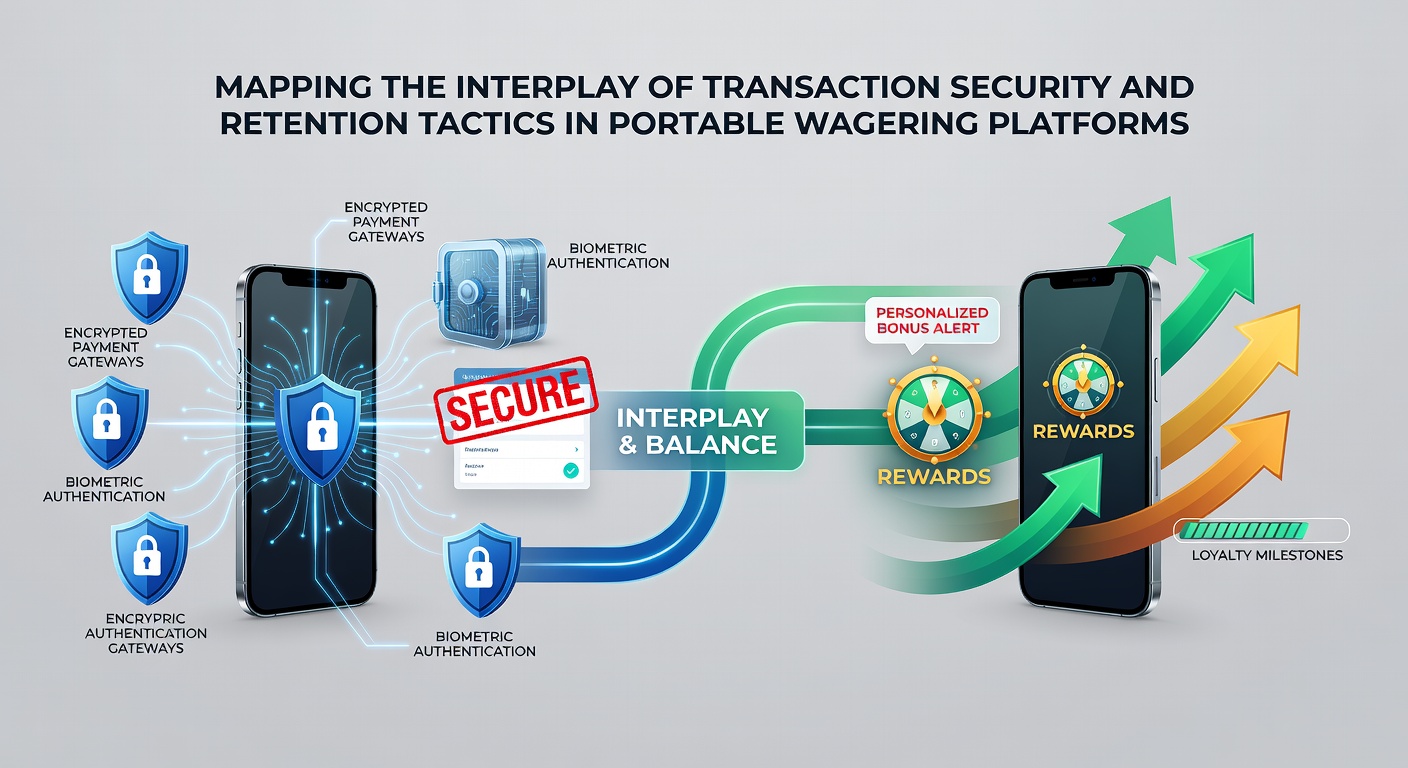
Studies from the European Gaming and Betting Association reveal that platforms prioritizing both areas report lower churn rates because users associate reliable payments with the value of ongoing promotions. In May 2026 several operators introduced AI-assisted monitoring that flags suspicious patterns while simultaneously updating loyalty tiers in real time, demonstrating how technical safeguards can reinforce engagement loops rather than interrupt them.
Geographic variations appear in how these elements combine under different regulatory frameworks. Canadian provincial authorities have highlighted instances where secure payment gateways paired with localized retention offers improved compliance reporting and user satisfaction simultaneously. Similar patterns surface in Australian market analyses where platforms adjusted verification steps to accommodate faster reward processing without compromising audit trails.
Case Examples from Platform Implementations
One operator expanded its mobile footprint by linking biometric login directly to a dynamic rewards engine that adjusted free spin allocations based on verified deposit history. This configuration allowed users to move between security checks and promotional claims in a single flow. Another platform in a competitive North American jurisdiction integrated blockchain-verified transaction logs with VIP club benefits, giving members transparent records that supported both security audits and personalized milestone tracking.
These approaches illustrate how retention mechanisms gain durability when built atop verifiable transaction records. Data shared at industry conferences shows measurable upticks in repeat deposits once users experience consistent security during reward interactions.
Conclusion
Portable wagering platforms continue to map connections between transaction security and retention tactics through integrated system design and ongoing regulatory alignment. Evidence from multiple jurisdictions points to sustained user activity when platforms treat security features as enablers of loyalty programs rather than separate requirements. As markets evolve through 2026 and beyond, these interconnections shape operational priorities for operators seeking stable growth in mobile-first environments.