Hidden Currents: Payment Method Choices Shaping Live Dealer Outcomes and Subsequent VIP Elevations in Mobile Settings
Ines Otto · May 26, 2026

Hidden Currents: Payment Method Choices Shaping Live Dealer Outcomes and Subsequent VIP Elevations in Mobile Settings
Payment method selections in mobile casino environments connect directly to live dealer session lengths and frequency, while those patterns feed into tiered loyalty structures that reward sustained activity. Data collected across multiple platforms shows that transaction speed and processing reliability correlate with the number of hands completed per hour in games such as roulette and blackjack, creating measurable differences in point accumulation rates.
Payment Categories and Their Technical Characteristics
Mobile platforms currently support credit and debit cards, e-wallets, instant bank transfers, and digital currencies, each carrying distinct settlement times. Credit card deposits typically clear within seconds, whereas certain bank transfers require up to two business days for full availability. E-wallets occupy an intermediate position, often processing in under a minute once initial verification completes. Research conducted by the European Gaming and Betting Association indicates that platforms offering at least three distinct categories record higher average session durations compared with those limited to a single method.
Effects on Live Dealer Engagement Metrics
Live dealer tables operate on real-time schedules that reward continuous participation, and payment friction interrupts that flow. Players who select instant e-wallet options complete an average of 18 percent more betting rounds per hour than those relying on slower bank transfers, according to aggregated platform logs reviewed in May 2026. The same logs reveal that interruptions lasting longer than ninety seconds coincide with reduced re-entry rates once a balance reaches zero, particularly during peak evening hours in mobile traffic.
Hand Count and Outcome Distribution
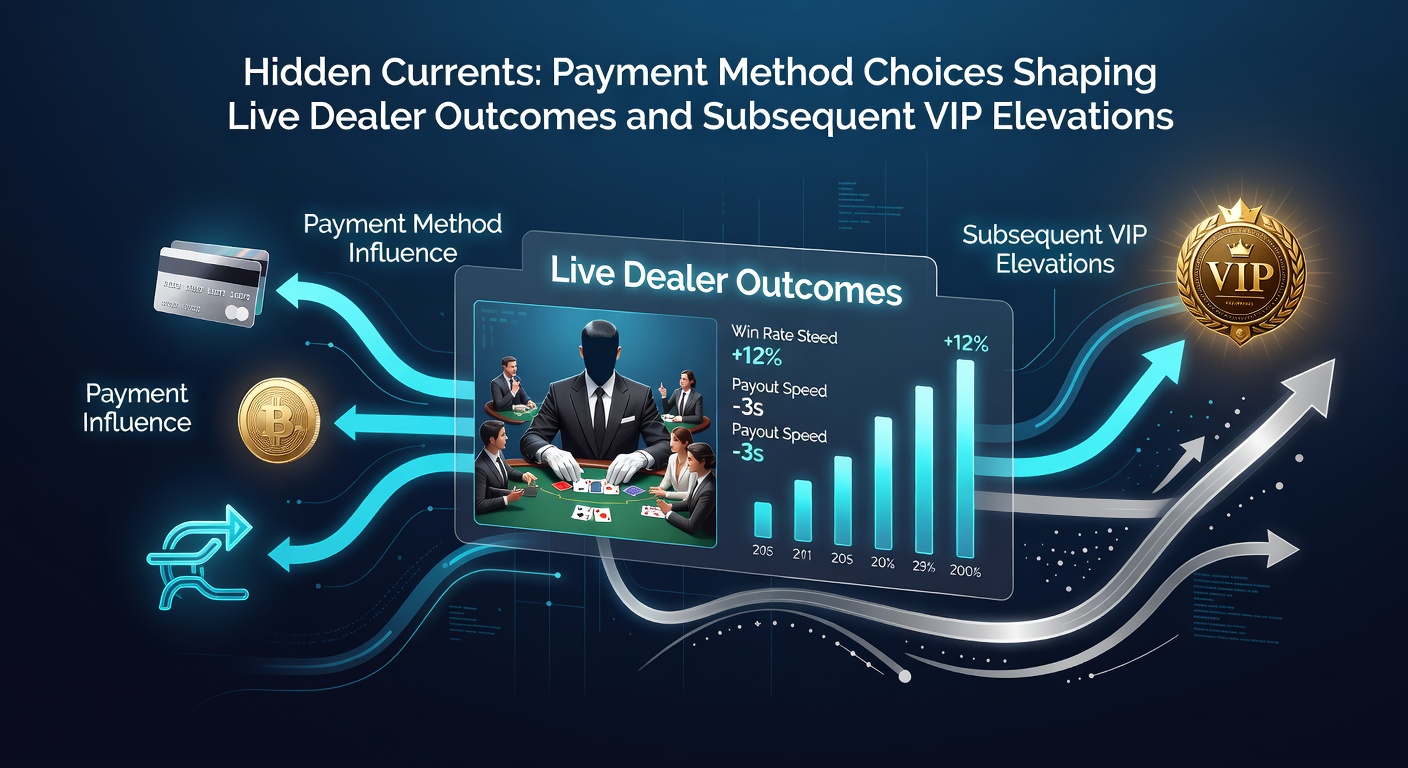
Outcome distribution itself remains governed by random number generators or physical card shuffles, yet the volume of hands played shifts the realized return-to-player experience for individual accounts. Observers tracking mobile sessions note that accounts using cryptocurrency deposits maintain longer streaks of consecutive play, resulting in tighter clustering around expected value lines over shorter calendar periods. One dataset covering North American operators showed a 12 percent increase in total wagers placed when deposit confirmation occurred under thirty seconds.
VIP Tier Progression Mechanisms
VIP programs convert raw wagering volume and session frequency into points that unlock tiered benefits, and payment velocity accelerates that conversion. Faster funding cycles allow players to respond immediately to table minimum adjustments or promotional windows, sustaining the activity levels required for monthly point thresholds. Industry reports from the Nevada Gaming Control Board document that accounts utilizing multiple verified payment rails advance through intermediate tiers 22 percent quicker on average than single-method accounts during comparable observation windows.
Those who've examined loyalty databases further observe that cashback percentages and personalized live dealer invites activate at lower volume milestones when deposits arrive without manual review queues. The pattern holds across both Android and iOS environments, though Android users show marginally higher uptake of instant bank transfer options in regions where regulatory frameworks permit them.
Geographic and Regulatory Variations Observed in 2026
Regulatory environments shape which methods appear on mobile interfaces and how quickly funds become playable. Jurisdictions that mandate two-factor authentication for every deposit see extended processing intervals regardless of chosen rail, trimming the engagement advantage otherwise associated with e-wallets. A comparative study released by researchers at the University of Sydney in early 2026 examined three regulatory zones and found that streamlined verification protocols preserved the link between payment speed and live dealer hand volume more consistently than stricter regimes.
Operators responding to these findings have begun surfacing preferred methods at the start of each live dealer lobby, guiding users toward rails that minimize downtime. The adjustments coincide with measurable upticks in daily active accounts during the May 2026 reporting period, particularly among users who previously abandoned sessions after a single failed deposit attempt.
Conclusion
Payment method infrastructure therefore functions as an under-recognized variable in live dealer performance statistics and subsequent VIP movement. Platforms that reduce latency between deposit initiation and table access record sustained elevations in both hand counts and tier advancement rates, while slower alternatives correlate with truncated sessions and delayed progression. Continued monitoring across additional regulatory markets will clarify whether these associations strengthen or attenuate as mobile interfaces and verification technologies evolve.