Funding Choices Driving Shifts in Portable Table Game Engagement and Status Milestones
Rafael Hoffmann · Jul 17, 2026
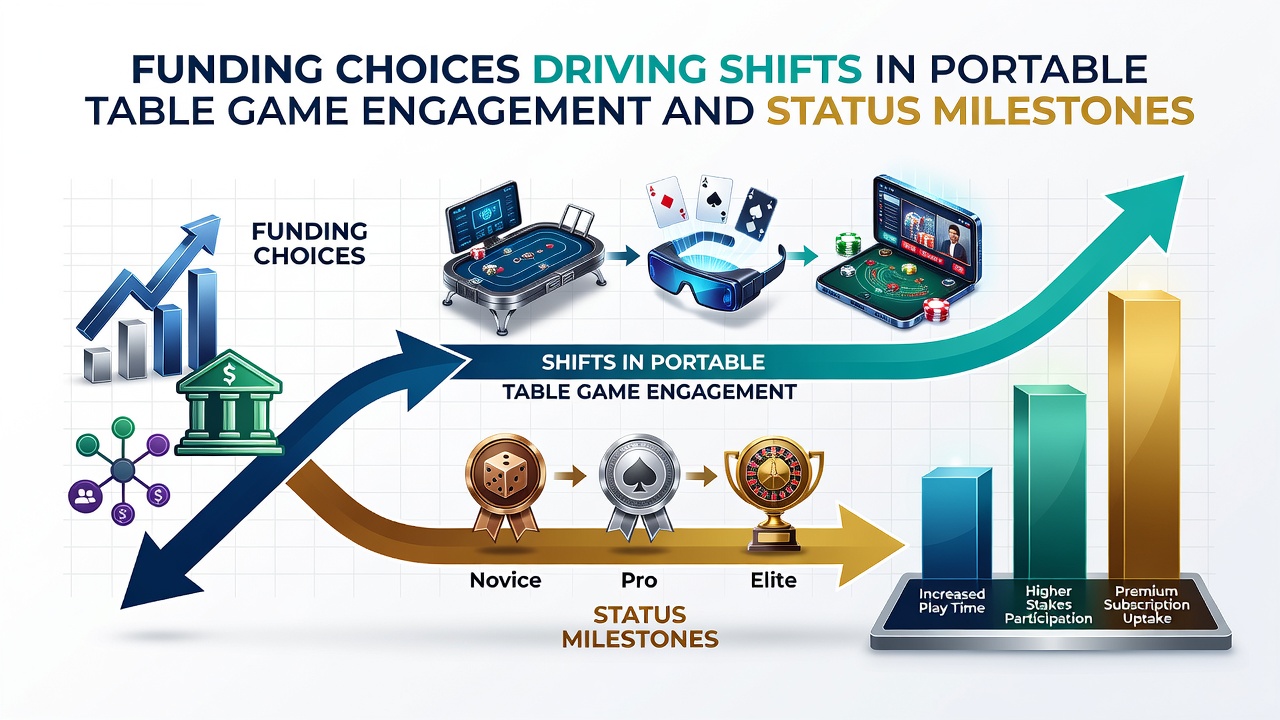
Funding Choices Driving Shifts in Portable Table Game Engagement and Status Milestones
Payment method selections continue to influence how players approach portable table games, with data from multiple markets showing clear connections between funding preferences and session lengths along with progression through loyalty programs. Observers note that digital wallets, bank transfers, and card-based options each produce distinct patterns in engagement metrics, particularly as operators refine their platforms for mobile users.
Research indicates that instant funding tools often correlate with higher repeat participation rates in live dealer blackjack and roulette formats. Those who've tracked activity across platforms report that players using e-wallets complete status milestones faster because transaction friction stays minimal, allowing extended play without interruptions for verification steps. Meanwhile, traditional card deposits sometimes slow momentum yet provide stronger security signals that encourage longer-term retention among certain demographics.
Payment Preferences Reshaping Mobile Table Play
Figures from industry reports reveal steady growth in mobile table game volume tied directly to available funding channels. Players gravitate toward methods that settle quickly, and this behavior shows up consistently in regions where multiple options compete. Data from North American operators, for instance, demonstrates that sessions initiated with cryptocurrency transfers average longer durations than those started with credit cards, though the latter group tends to reach VIP thresholds through cumulative spend rather than frequency alone.
What's interesting is how these choices affect game selection itself. Participants who favor prepaid options frequently switch between table variants more often, testing different volatility levels before committing larger amounts. In contrast, users of direct bank links tend to stick with familiar titles, building steady progress toward status rewards at a measured pace. Such patterns emerged clearly in activity logs reviewed through mid-2026.
Status Milestones and Funding Velocity
Loyalty program advancement depends heavily on how quickly and reliably players can move funds. Systems that reward deposit speed alongside total volume create feedback loops where certain methods accelerate tier climbs. Observers point to examples where e-wallet users reached mid-tier status in roughly half the time compared with those relying on slower verification processes, according to aggregated platform analytics released in July 2026.
Case studies from multiple operators illustrate this dynamic. One platform recorded a 28 percent increase in table game engagement among users who switched to instant payout-enabled wallets, while another noted that bank transfer players contributed disproportionately to high-tier loyalty points through larger, less frequent deposits. These outcomes align with findings from academic examinations of digital transaction behaviors in gaming environments.
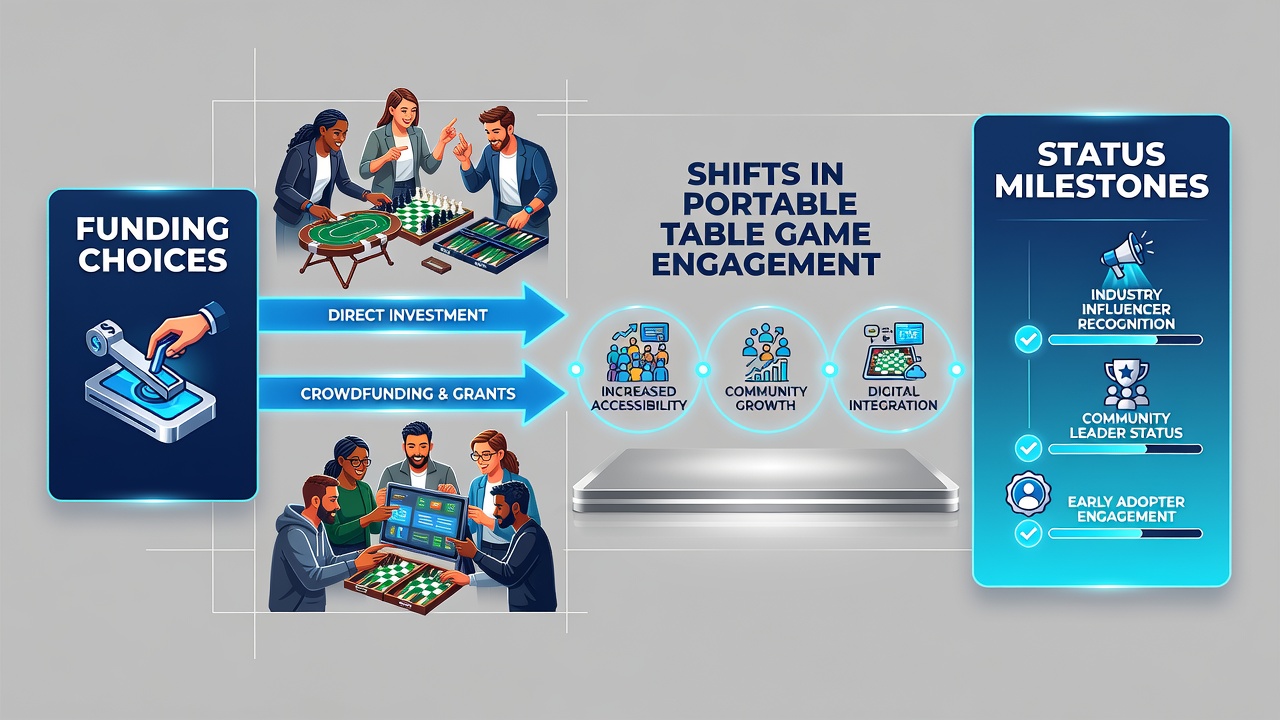
Regional Variations in Funding Impact
Geographic differences further highlight how funding infrastructure shapes outcomes. Markets with widespread adoption of local digital payment systems show accelerated milestone achievement compared with areas still transitioning to mobile-first banking. American Gaming Association research documents these regional contrasts, noting that seamless integration of popular local wallets correlates with broader participation across table game categories.
Similar observations appear in reports from Australian regulatory bodies, where transaction data reveals that players combining multiple funding types often maintain higher engagement across both casual and high-stakes portable sessions. The ability to alternate between methods without platform penalties appears to sustain momentum toward loyalty rewards, particularly during promotional periods.
Security Features Influencing Long-Term Patterns
Beyond speed, security protocols embedded in funding choices affect how players manage their status progression. Methods requiring additional authentication layers sometimes reduce short-term engagement yet build greater trust that supports sustained activity over months. Researchers have documented this trade-off in cross-platform studies, where security-conscious users advance through tiers at steadier rates once initial hurdles clear.
Operators continue adjusting their offerings in response, introducing hybrid options that balance verification rigor with transaction efficiency. These adjustments show measurable effects on table game retention, especially among users pursuing elite status levels that demand consistent play volume.
Conclusion
Funding choices now stand as a central factor in how portable table game engagement evolves and how quickly players attain status milestones. Patterns across payment types demonstrate that transaction characteristics directly influence session behavior, game selection, and loyalty advancement timelines. As platforms refine these systems, the connections between funding methods and player progression remain a key area for ongoing analysis in the sector.