Exploring Rating Thresholds That Dictate Bonus Sequencing in Live Dealer Mobile Sessions
Rafael Hoffmann · Aug 18, 2026
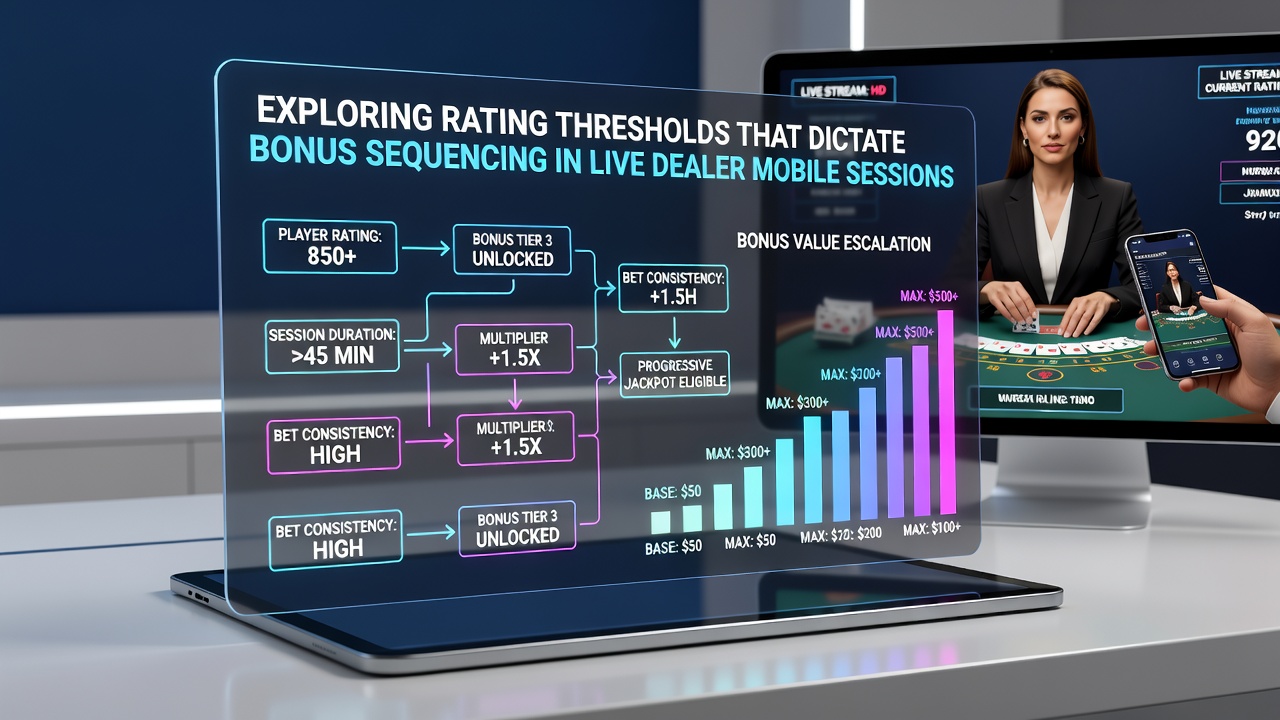
Exploring Rating Thresholds That Dictate Bonus Sequencing in Live Dealer Mobile Sessions
Rating systems in live dealer mobile environments operate through defined point accumulation milestones that determine the precise order in which promotional rewards activate during sessions. These thresholds function as sequential gates where players must reach specific numerical values before the platform releases the next layer of bonuses in a predetermined sequence rather than simultaneously. Data compiled by platform analytics teams shows that thresholds commonly cluster around increments of 250, 500, 750, and 1,000 rating points earned through table game activity such as blackjack, roulette, and baccarat on portable devices.
Mechanics of Threshold-Based Sequencing
Operators configure these gates so that once a player crosses one milestone the system immediately unlocks the associated reward tier while holding subsequent bonuses until the next threshold appears. This structure creates a linear progression where cashback credits might release at the 500-point mark, followed by matched play credits only after the 1,000-point level registers during the same mobile session. Records from multiple operators indicate that sequencing prevents overlap of rewards and maintains consistent engagement pacing across live dealer tables accessed via smartphones and tablets.
Platform logs reveal that the system recalculates points in real time based on bet volume and game type, with live dealer rounds contributing higher point multipliers than automated table games. When a threshold is met the bonus delivery occurs within the active session window, typically within 30 seconds of the qualifying hand or spin completing, which aligns player activity with immediate reward feedback loops.
Mobile Platform Adaptations in August 2026
August 2026 brought software updates across several major providers that refined threshold detection algorithms to account for variable network latency on mobile connections. These changes ensured that point totals registered accurately even during brief signal interruptions common in live dealer streams transmitted to handheld devices. Updated sequencing protocols now include fallback checks that verify point totals against server-side records before releasing each bonus layer, reducing discrepancies reported in earlier mobile implementations.
Industry reports from the American Gaming Association highlight that mobile-specific sequencing adjustments increased completion rates for multi-tier bonus paths by measurable margins during the summer period when outdoor usage of devices rose. The adjustments also incorporated regional regulatory requirements from authorities in Nevada and New Jersey that mandate transparent display of upcoming thresholds within the mobile interface itself.
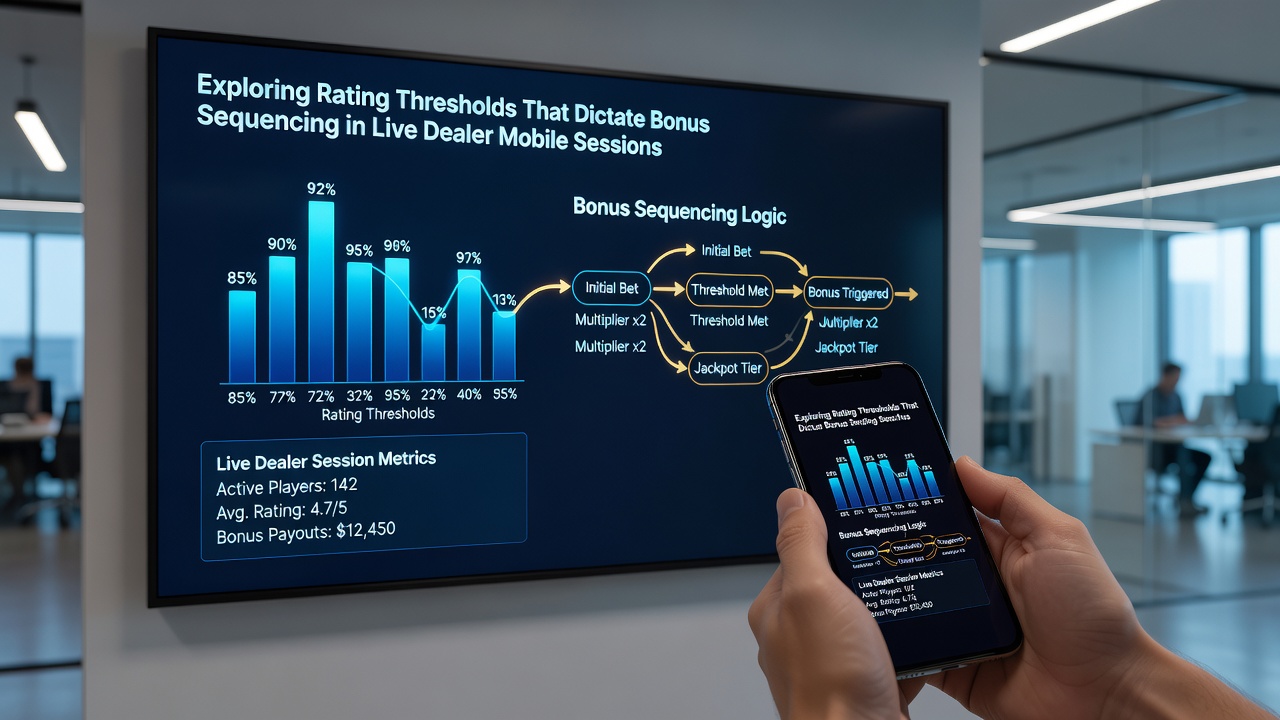
Examples from Operational Data
One documented case involved a European operator that adjusted its mobile live dealer thresholds after reviewing session data from over 200,000 users. The revised sequence moved a free bet reward from the 750-point gate to the 600-point level while shifting a loyalty point multiplier to the 900-point mark. Subsequent tracking showed altered player progression patterns where more users completed the full sequence within single sessions rather than returning across multiple days.
Another instance tracked by platform engineers in the Asia-Pacific region demonstrated how baccarat-focused mobile tables applied tighter thresholds during peak evening hours. Points accumulated faster in those windows, allowing the system to advance players through bonus stages more rapidly and maintain table occupancy rates. These operational shifts relied on historical bet data rather than individual player profiles to set dynamic gates that responded to collective activity levels.
Integration with Broader Loyalty Frameworks
Threshold sequencing connects directly to overarching loyalty structures where accumulated points feed into both session-based bonuses and longer-term tier advancements. Research from the European Gaming and Betting Association indicates that platforms using strict linear sequencing report steadier daily active user counts compared with those employing randomized reward orders. The fixed progression provides players with predictable next steps visible on mobile dashboards, which in turn supports sustained participation across live dealer offerings.
Cross-platform comparisons show that mobile implementations often feature lower initial thresholds than desktop counterparts to accommodate shorter average session durations on handheld devices. This calibration ensures that the first bonus release occurs early enough to retain attention while still requiring continued play to unlock later stages in the sequence.
Conclusion
Rating thresholds continue to shape how operators structure bonus delivery in live dealer mobile environments through precise, data-driven sequencing rules. As platforms refine these systems in response to usage patterns and regulatory expectations, the relationship between point milestones and reward order remains a core element of mobile session design. Observers tracking developments into late 2026 note ongoing adjustments that balance player progression speed with platform revenue objectives across varied geographic markets.