Evaluation Criteria Influencing Payment Selection for Accessing Reward Programs in Mobile Gaming Platforms
Rafael Hoffmann · Aug 23, 2026
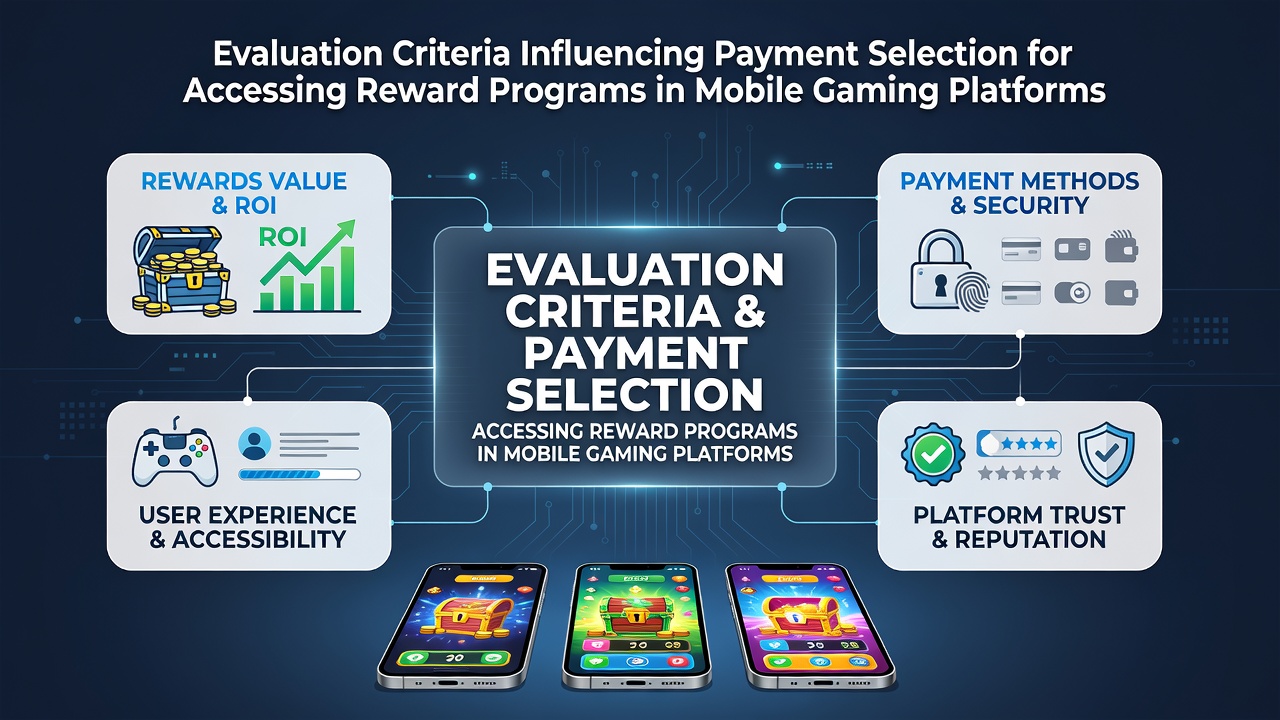
Evaluation Criteria Influencing Payment Selection for Accessing Reward Programs in Mobile Gaming Platforms
Players navigating mobile gaming platforms often weigh multiple factors when selecting payment methods that unlock reward programs, and these decisions shape how quickly users accumulate points, bonuses, and tiered benefits across different applications. Research indicates that security protocols rank among the primary criteria, with data from industry reports showing that platforms using end-to-end encryption see higher engagement rates in reward redemptions during peak periods such as August 2026. Transaction fees also factor heavily into the equation, since users who encounter hidden costs frequently switch methods mid-session to preserve their progress toward loyalty milestones.
Security and Compliance Standards
Payment selection starts with verification of regulatory compliance, and observers note that methods aligned with standards from bodies like the Nevada Gaming Control Board tend to integrate more seamlessly with reward tracking systems. Those who've studied user behavior report that platforms requiring two-factor authentication for deposits experience fewer interruptions when players attempt to claim promotional rewards, which keeps engagement metrics stable over extended periods. Data shows that biometric options, including fingerprint or facial recognition, have gained traction because they reduce login friction while maintaining the security thresholds needed for high-value reward access.
Speed of Processing and Reward Activation
Processing times directly affect how soon reward programs activate after a transaction completes, and studies found that instant confirmation methods lead to faster point accumulation compared to those with batch processing delays. Experts have observed that e-wallet solutions often outperform traditional card transfers in this area, allowing users to meet daily activity thresholds without waiting periods that could stall progress. One analysis of cross-platform data revealed that players who prioritize speed in payment choices reached VIP elevations roughly 15 percent sooner than those relying on slower alternatives, highlighting the practical impact on long-term participation.
Compatibility with Reward Ecosystems
Integration capabilities determine whether a payment method feeds directly into a platform's loyalty infrastructure, and researchers discovered that certain digital wallets sync automatically with point-tracking algorithms while others require manual verification steps. This difference matters because seamless connections allow for real-time updates to reward balances, whereas manual processes can create gaps that frustrate users attempting to climb tiers. According to figures from the American Gaming Association, platforms that prioritize compatible payment rails report stronger retention among mobile users who actively pursue layered promotions.
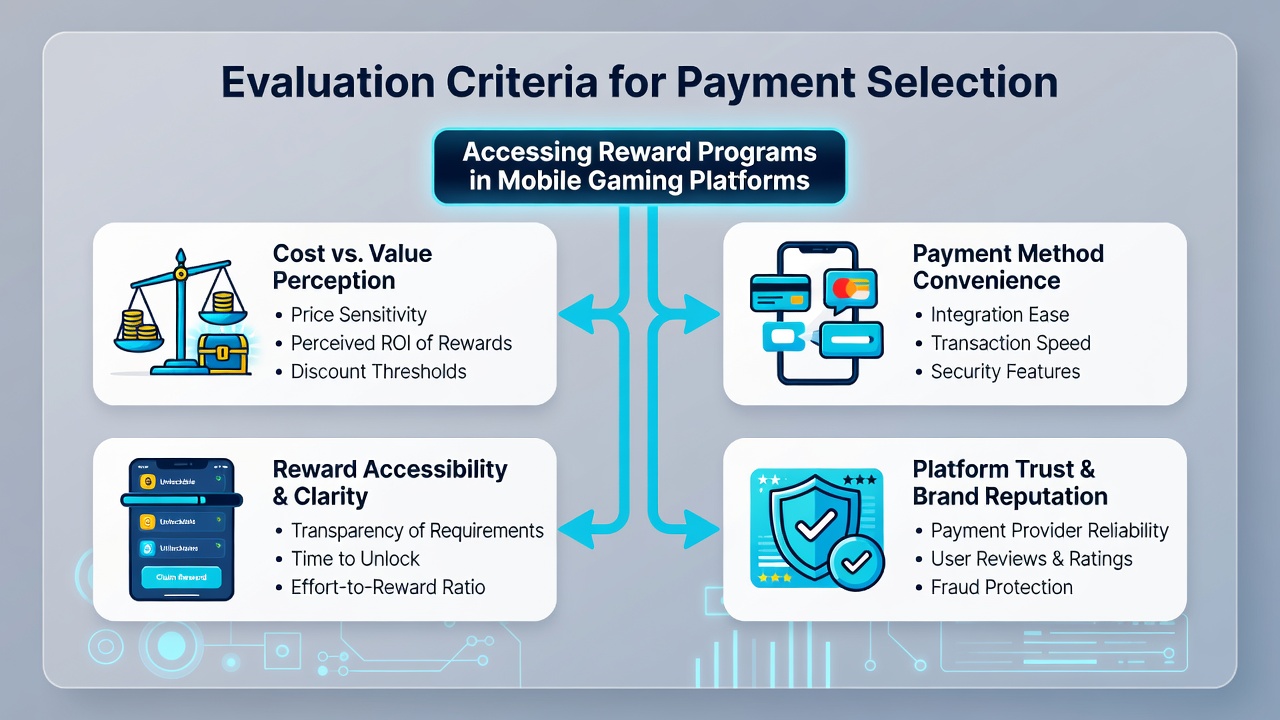
Cost structures extend beyond simple fees to include currency conversion charges and minimum deposit requirements, which can erode the value of early rewards if not evaluated upfront. Those who've tracked mobile gaming trends point out that users frequently compare these hidden elements across multiple methods before committing, especially when reward programs tie bonuses to deposit volume. And while some platforms offer incentives for specific payment types, the long-term calculation often favors methods that avoid recurring costs once reward tiers stabilize.
User Interface and Accessibility Factors
Interface design influences how easily players locate and select payment options that align with reward goals, and data indicates that streamlined menus reduce drop-off rates during the deposit phase. Mobile applications that display reward eligibility alongside each payment choice help users make informed decisions without leaving the session, which supports consistent activity levels. Observers note that accessibility features, such as support for multiple languages and regional currencies, expand the pool of participants who can fully utilize reward programs across borders.
Regional regulations add another layer, since payment methods must comply with local rules that vary by jurisdiction and can affect reward program availability. A report from the Australian Gambling Research Centre highlighted how compliance differences shape which options dominate in specific markets, with certain methods gaining preference because they satisfy both platform and governmental requirements simultaneously. This dynamic creates patterns where users in one area gravitate toward particular solutions while those elsewhere adopt alternatives that better match their regulatory environment.
Conclusion
The interplay of these evaluation criteria ultimately guides how mobile gaming participants select payments to maximize reward access, and ongoing platform updates continue to refine the balance between security, speed, cost, and integration. As new technologies emerge, the criteria themselves may shift, yet the core focus on efficient reward progression remains central to user decision-making across the sector.