Charting Dependencies Between Evaluation Frameworks and Incentive Pathways in Wireless Wagering Ecosystems
Yara Zimmermann · Jun 5, 2026
Charting Dependencies Between Evaluation Frameworks and Incentive Pathways in Wireless Wagering Ecosystems
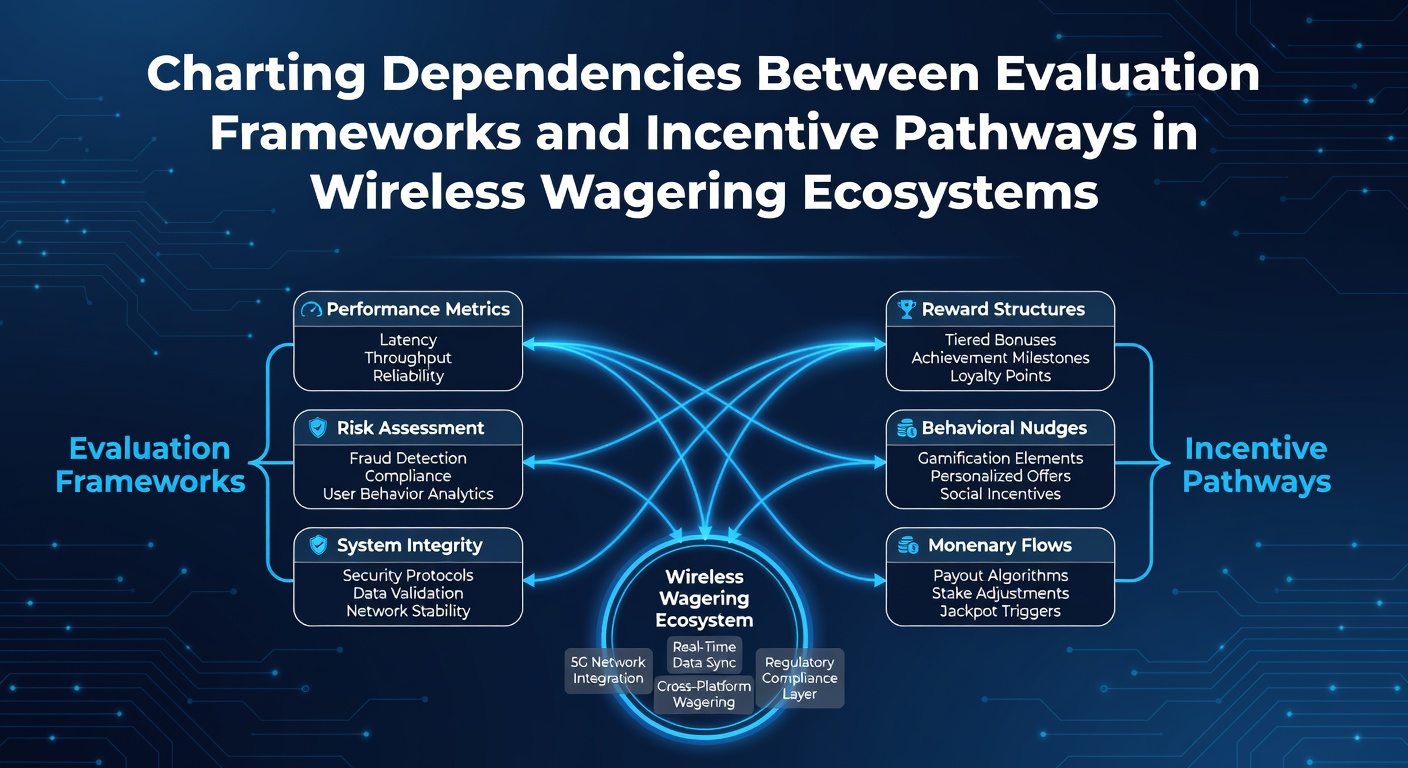
Observers note that wireless wagering ecosystems rely on layered evaluation frameworks to track player behavior across devices, where metrics such as session duration, bet frequency, and return-to-player ratios feed directly into incentive pathways that determine bonus eligibility and tier progression. Data from industry reports indicate these systems operate through algorithmic dependencies, in which performance indicators trigger automated reward distributions while shaping future player engagement patterns on portable platforms. Evaluation frameworks in this space typically incorporate volatility indexes and engagement scores that regulators and operators monitor to maintain compliance standards. Research from the Nevada Gaming Control Board shows how these metrics connect to incentive structures, because operators adjust promotional offers based on real-time data streams collected from mobile sessions. For instance, when session length exceeds predefined thresholds, systems activate loyalty points that unlock higher reward tiers, creating a feedback loop where evaluation outputs directly influence incentive availability. In June 2026 several North American operators updated their tracking protocols to align with new cross-border data sharing agreements, and this shift highlighted further connections between standardized evaluation tools and regional incentive models. Those who've studied mobile platform architecture know that incentive pathways often hinge on aggregated scores from multiple frameworks, including win-rate calculations and risk assessment modules that determine cashback percentages or free spin allocations. What's interesting is how these dependencies manifest in practice, as one study from the University of Nevada Reno revealed patterns where high-volatility game selections led to accelerated VIP advancements when paired with specific evaluation benchmarks. Operators integrate these insights through software layers that link player data to reward triggers, ensuring incentives scale according to documented activity levels rather than static rules.Framework Components and Their Linkages
Evaluation frameworks consist of quantitative measures that capture transaction speeds, game selection tendencies, and retention signals on wireless networks. According to figures released by the Canadian Gaming Association, these components interact with incentive pathways through conditional algorithms that release rewards only after specific thresholds are met, such as cumulative wager amounts or consecutive login streaks. And this interaction means that changes in one framework element can ripple through the entire incentive structure, altering eligibility criteria for subsequent promotions.
Take the case of live dealer integrations on mobile apps, where real-time evaluation of table performance metrics feeds into loyalty milestone tracking. Observers note that operators use these data points to calibrate bonus structures, because higher engagement scores correlate with increased access to exclusive tournaments or deposit matches. Research indicates the process relies on secure data pipelines that prevent discrepancies between measured activity and distributed incentives.
Incentive Pathways in Action
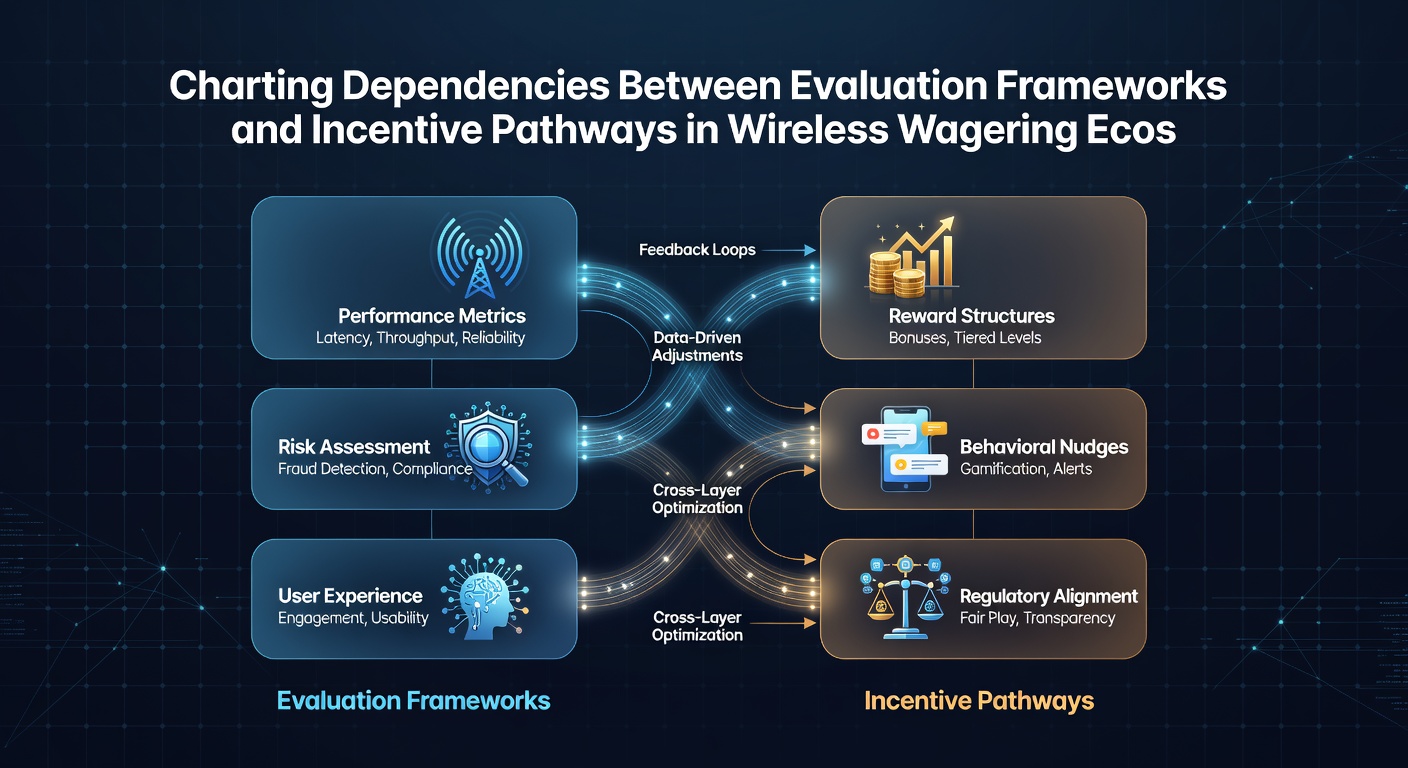
Incentive pathways operate as sequenced reward mechanisms that respond to framework outputs, and they often include tiered loyalty programs where progression depends on sustained metric improvements. Data shows that players reaching intermediate evaluation benchmarks receive targeted offers like enhanced payout speeds or customized game recommendations, which in turn influence further behavioral patterns tracked by the same systems.
Those monitoring European markets point to similar linkages documented by the Malta Gaming Authority, where evaluation of cross-platform activity determines access to progressive jackpots and cashback schemes. The connections become evident when operators adjust incentive values based on aggregated volatility data, ensuring rewards align with risk profiles established through ongoing framework analysis.
Regional Variations and Data Integration
Wireless ecosystems display geographic differences in how frameworks and pathways connect, since regulatory environments shape the specific metrics prioritized by operators. Australian research institutions have published analyses showing that local evaluation standards emphasize responsible play indicators that directly modulate incentive release schedules, preventing overexposure while maintaining engagement through calibrated rewards.
Integration challenges arise when multiple frameworks overlap on shared mobile infrastructure, yet solutions emerge through unified data platforms that synchronize outputs across incentive layers. Experts have observed that successful implementations reduce latency between metric collection and reward activation, allowing pathways to respond dynamically to evaluation updates without manual intervention.
Conclusion
Dependencies between evaluation frameworks and incentive pathways continue to define operational dynamics in wireless wagering ecosystems, with data integration serving as the primary mechanism for alignment. Reports from multiple regulatory bodies confirm that these linkages support consistent player experiences across devices while meeting compliance requirements through transparent metric tracking. As platforms evolve, the relationships between measured performance and distributed rewards remain central to system functionality.