Benchmark Influences Steering Offer Redemption Sequences Across Remote Chance Platforms
Yara Zimmermann · Jul 21, 2026
Benchmark Influences Steering Offer Redemption Sequences Across Remote Chance Platforms
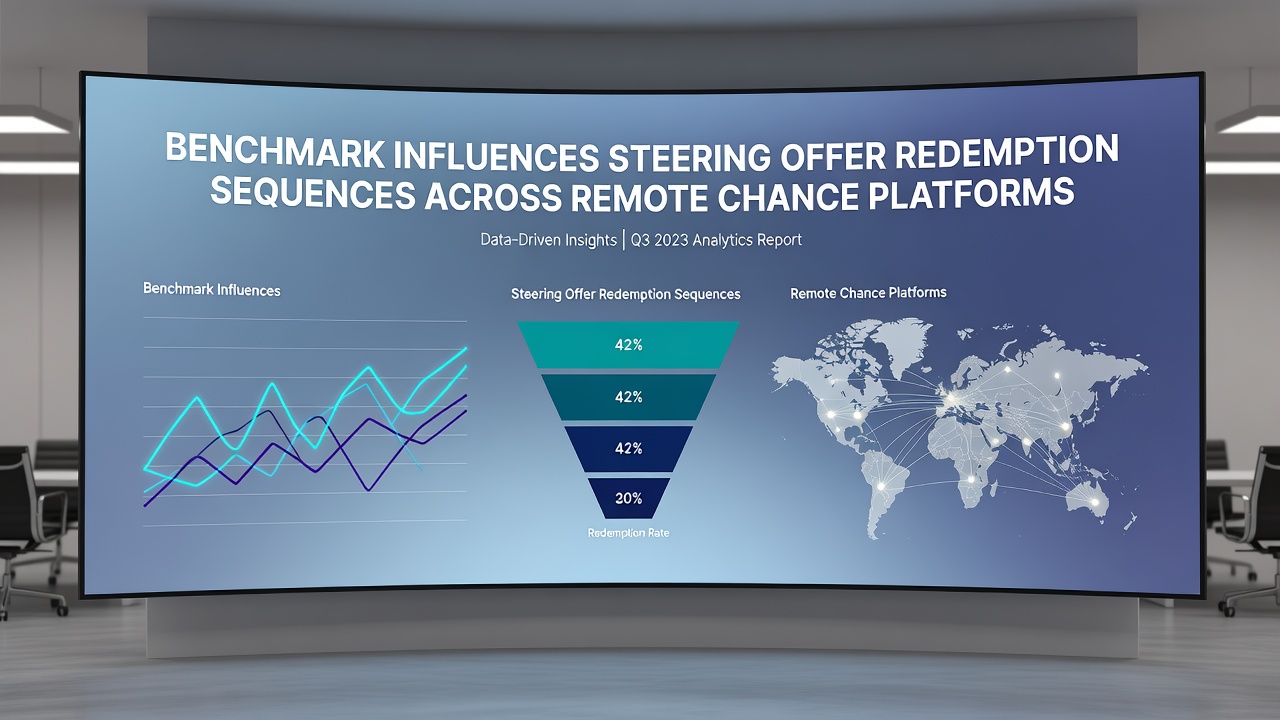
Remote chance platforms operate through layered systems where benchmarks determine the order and timing of promotional offer redemptions for users engaged in slots, table games, and live dealer sessions. These benchmarks draw from player activity data, game performance indicators, and platform-wide metrics that shape how sequences unfold across mobile and desktop environments. Data collected in real time feeds into algorithms that prioritize certain offers based on thresholds for deposit volume, session duration, and volatility exposure.
Defining Benchmark Roles in Offer Management
Benchmarks function as reference points that platforms apply to sort redemption opportunities into logical progressions rather than random distributions. A deposit benchmark might trigger an initial free spin package while a subsequent wager benchmark unlocks cashback tiers that follow immediately after. Observers note that this sequencing prevents overlap and maintains engagement flow across extended play periods. Research from the University of Nevada's gaming studies unit indicates that structured sequences tied to measurable benchmarks increase repeat logins by aligning rewards with demonstrated activity levels.
Mechanics Behind Redemption Sequencing
Platforms calculate sequences using weighted variables including average bet size, game type selection, and cumulative playtime. When a user completes a benchmark such as reaching a set number of spins on high-volatility titles, the system advances the next offer in line, often shifting from bonus rounds to loyalty points or enhanced multiplier features. This process operates continuously, with updates occurring at intervals measured in minutes rather than hours. Figures from industry monitoring services reveal that sequences adjusted mid-month produce higher completion rates than static monthly promotions.
Data Patterns Observed Through Mid-2026
Through July 2026, platform operators reported measurable shifts in how benchmarks steered redemptions during peak summer activity windows. Mobile sessions showed faster progression through sequences when benchmarks incorporated device-specific factors like connection stability and screen resolution alongside traditional play metrics. One analysis covering North American and European operators found that sequences incorporating cross-device benchmarks reduced abandonment rates during offer redemptions by measurable margins compared with single-device tracking models.
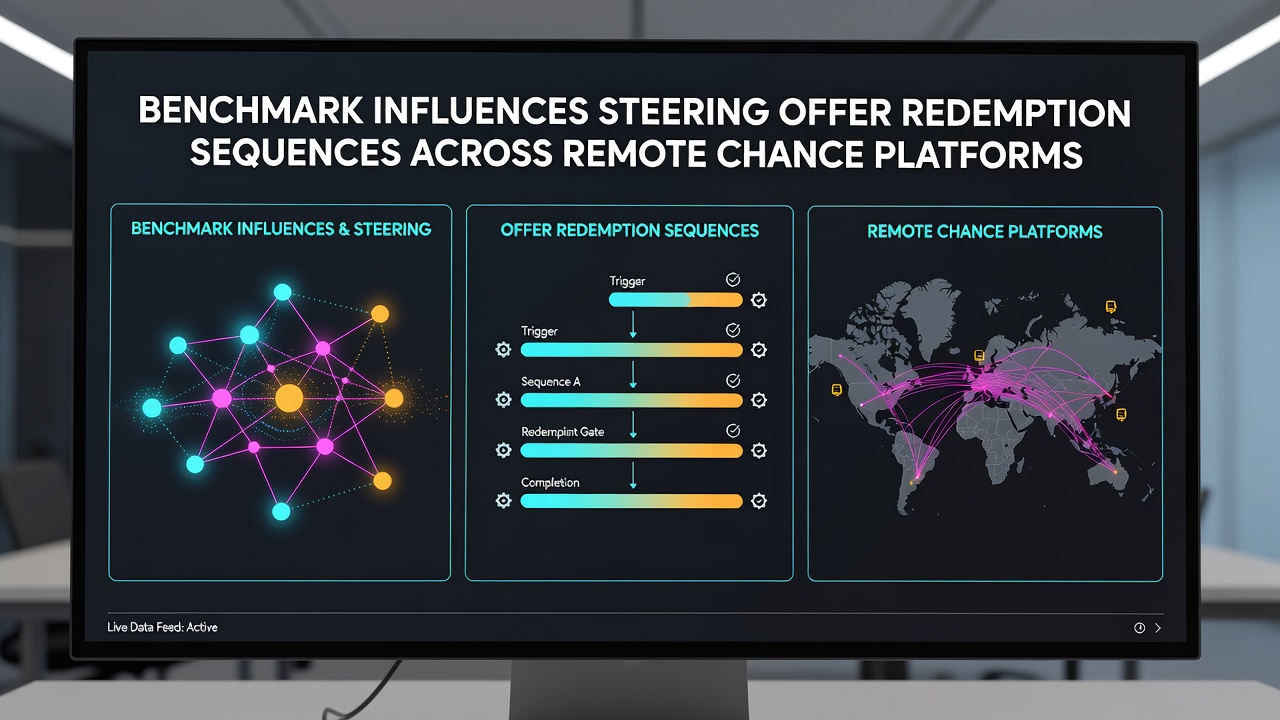
Operators adjust these sequences dynamically when external events alter player behavior patterns. Regulatory filings submitted to bodies such as the International Association of Gaming Regulators document how benchmark recalibrations in response to regional tourism spikes affected redemption order for VIP-tier users. Similar adjustments appear in reports filed with Australia's National Consumer Protection Framework oversight group, where benchmarks tied to responsible play limits influenced the placement of cashback offers within overall sequences.
Platform Implementation Examples
Multiple operators apply benchmark-driven sequences to differentiate mobile experiences from desktop ones. A user crossing a benchmark threshold on a tablet might receive a live dealer tournament entry as the immediate next redemption step, whereas the same threshold reached via smartphone advances a slot-specific multiplier package instead. These variations stem from benchmark weighting that factors in hardware performance data collected during active sessions. Tracking services indicate that such tailored sequencing correlates with extended average session lengths across both device categories.
Integration With Broader Platform Ecosystems
Benchmarks rarely operate in isolation from other platform components including loyalty tracking modules and game catalog updates. When a new title launches, operators often recalibrate existing benchmarks to insert fresh redemption opportunities into active sequences without disrupting ongoing progress. This integration maintains continuity for users who have already cleared earlier benchmarks. Industry reports compiled by the Canadian Gaming Association highlight cases where benchmark adjustments around new game releases produced measurable upticks in cross-title play volume.
Conclusion
Benchmark systems continue to evolve as remote chance platforms refine the logic governing offer redemption sequences. Data gathered through 2026 demonstrates consistent application of these metrics across regions and device types, with sequences adapting to both player behavior and external regulatory inputs. The result remains a structured progression that ties rewards directly to observable activity thresholds while preserving operational flexibility for platform administrators.